There is something to be rejected in ’perfect photos’ as they may look too good to be real. Staged, rehearsed and paraded photos where there is something enjoyable and nice is to cheer us up. Photography is much used in this purpose. It is a mood creator taking the viewer somewhere and good as such, with a purpose. We have stuck ideas of what is perfection and what is beautiful, how it looks, as it is a look and desired. Of course we must define what is perfection, what is the aesthetics of perfection. A perfect photo is a window to a lovely world and to personality. Perfection is to know what one wants, it is a goal to which there is a road. We will notice it very often is a matter of taste and tradition and what we are used to seeing, what we like, what moves us. How much do we dare to push buttons of viewers? What does rejection tell?
We must show others that we know what is good. What do we want to tell via preferences and the medium is what is interesting. What are you telling me and why. Perfection is in part a fantasy. Is it yours, do you own it or are you reaching out for it? It is personal, somehow naive, shallow and a thing to be had, thing of vanity and making a gap between. Perfect photos uplift the photographer to a illustrator of dreams and achievements, that something is exact, right and in order and the maker of photos must know something of order and organising. The photographer is the hero owning the medium. There is heroism in photography which is itself disturbing. Sizes, prices, glows and sounds of cameras are a thing and sight and matter of awe themselves. I am interested in what is the edge there too much to take and accept. What is unacceptable in terms of photography? Is it ugliness, greyness, fuzziness, lack of light, obscenity, unprofessional look, gender, lack of money or what?
https://www.bloomberg.com/news/articles/2017-10-06/why-photography-can-t-get-woke?cmpid=socialflow-twitter-business&utm_content=business&utm_campaign=socialflow-organic&utm_source=twitter&utm_medium=social ”But there was one glaring omission: All 32 of the people they chose were men.”
What is the point and issue we are not touching, do not want to see and accept, are not showing but removing, are afraid of or despise in photography. We think we know perfection, so there is a ground to be followed? Rules such as don’t burn pictures with too much light. Perfection in photography is more complex than what is there in sight at first glance. It is eye candy for some, nostalgia, arranging a set and prettiness immortalised. Is there something more that needs a deeper look, what is the story or clue behind there. What is interesting in a photograph for me is fragility via a powerful medium, tool (too powerful for me to touch? Am I too small to be holding a camera?) and how this medium and media can be challenged, as it obviously must be. What gets captured, where do we point our cameras at and what does it tell?
Damage on a photo there can be is dust, scratches, negatives ageing, sudden wetness makes paper get glued on negative. Anything that creates something on the surface other than a picture should be removed. To please the eye is an interesting demand. Something gone wrong in the process of preserving a photograph, or a disturbance during any phase of making, disruptive something is a remainder of importance of imperfection, to understand this makes one take more dimensional photos than just surfaces that instantly please. Damage and doing wrong in photography is somewhat a punishable act as it is highly seen a technical art where one has to master the equipment, light, have eye for situations and capture in seconds. How good one is, is very much a technical issue for many. It is an issue of being accepted as a photographer. In other words how much equipment one can afford, which has led me to question authority and decision-making processes within the industry. Quality and how much wealth it needs to be achieved and how much wealth dictates quality and creativity in general.
In unreal photos of reality there is awe, how it was made, how much it is about the equipment and how much it is the master behind the lens. It is not unheard of to witness men saying women can’t photograph or you can never afford this camera. My destiny is of course set by people who know better. When money is the number one authority there, getting it gives you authority or is it skill.

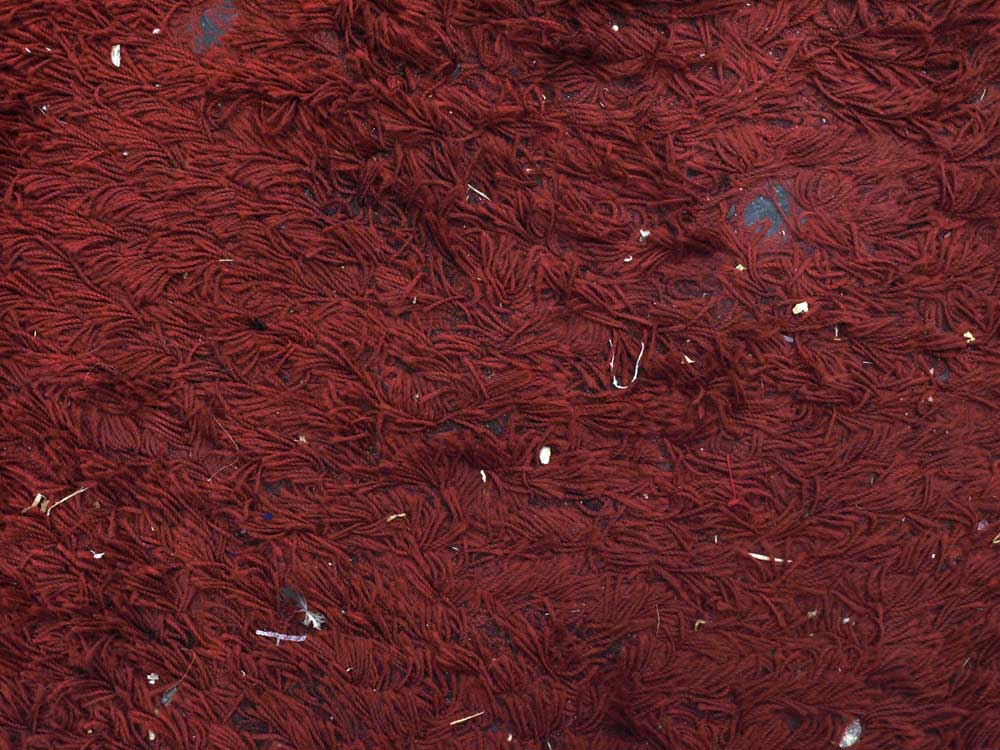


photos of public carpets

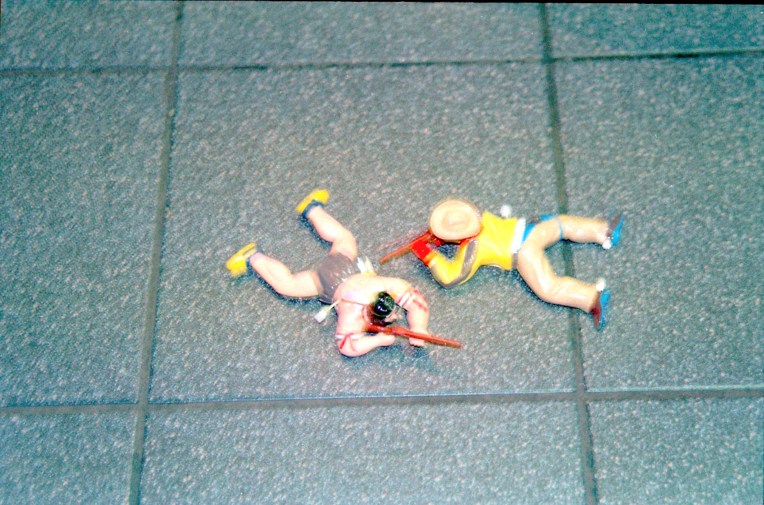

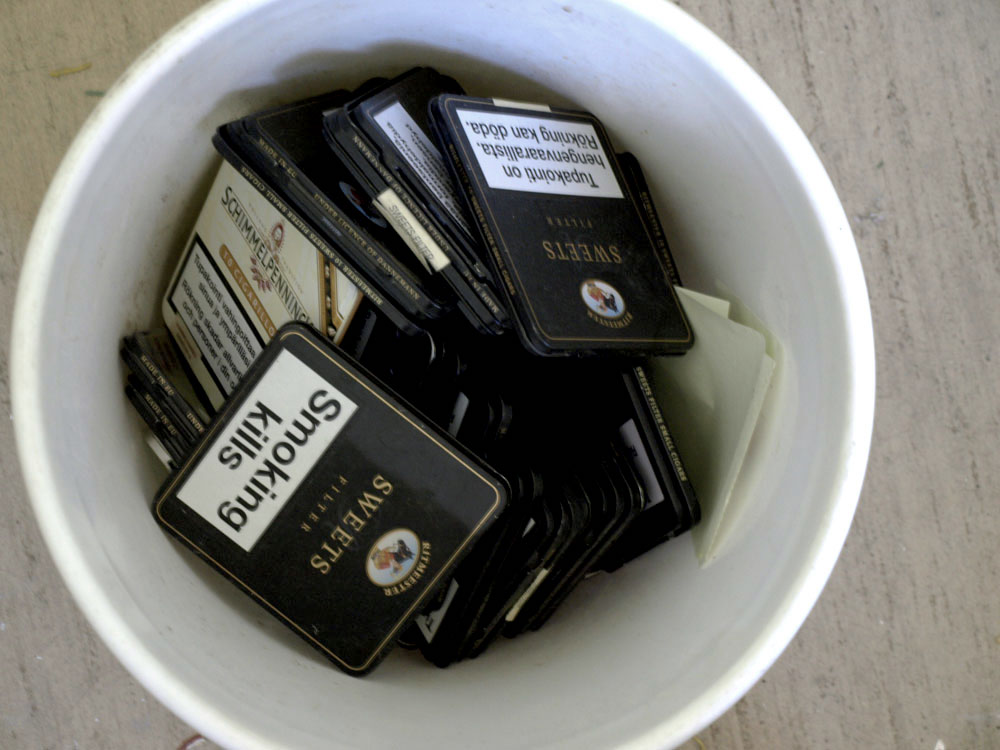


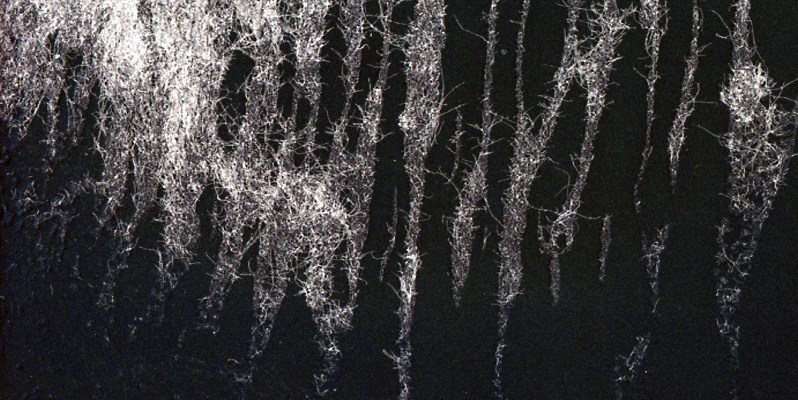


 Majakollektiivi Timanttimetsä