Vihaaminen on kuin ihmisen kokonaisuus ja hänen anatomiansa, mutta ehkä kyseessä on isompi asia kuin ihminen itse.

Vihaamisen anatomia on kiteytettynä, pistää tunne pöydälle ja leikellä se palasiksi, katsoa, löydänkö jotakin oleellista ja löydänkö itseni vai jonkun muun. Leikkely on tunteiden kanssa kiinnostava termi, kun tunteistaan ei saa kiinni, mutta lihasta saa. Miten kehomme ja tunteemme käyvät yhteen tai eivät ja kuinka manipuloimme molempia? Tunteitaan voi lääkitä järjestykseen, mutta katoavatko ne? Sanotaan, että pitäisi hymyillä enemmän, niin varmaan, mutta kun ei hymyilytä. Osata pukea tunteet sanoiksi, on psykoterapian tärkeitä oppeja. Voi vihata kehoaan, itseään ja mitä nyt milloinkin, ympäröivää maailmaa ja tosi-tv:tä, mikä mielestäni tarkoituksellisesti luo draamaa, joka heijastuu median kautta muuhun maailmaan, kun lehdissä reality ylittää uutiskynnyksen ja keinotekoinen konflikti puhuttaa päiviä. Itse käytän viha-sanaa varsin harvoin, se on niin latautunut ja täynnä raivoa, vaikka viha on normaali tunne. Se kanavoituu kiroiluun ja inhon tunteeseen. Vältän tosin draamaa ja konfliktit ovat vaikeita kohdattavia, mutta niin monia asioita hoidamme konfliktien kautta, kun muu ei auta ja väärin tekeminen on sääntö, ei poikkeus. Myös taiteessa on saatava aikaan skandaali, saadakseen tilaa asialle.

Inhon tunne on hyvin fyysinen. Sekin on rumaa. Kaikenlainen negatiivisen ilmaisu on rumaa. Rumuuden ja mikä on kaunista-välinen kamppailu on myös aikaamme leimaava piirre. Netistä löytämäni määritelmiä on, että viha on normaali tunne. Niinhän se on. Kun tunteet menevät ylös ja alas, kaikki on epänormaalia. Terapiapuheen normalisointi luo ajatuksen, että myös vihaansa saa ilmaista vapaasti, ehkä. En tiedä edes, osaammeko vieläkään tunteitamme, vaikka tunteista puhuminen on olevinaan vapautunutta. Puhutaan ahdistuksesta ja oireista, tunteista puhuminen olisi ehkä lapsellista. Sanotaan, minua vituttaa ja siinä on hiukan vitsiä. Kimmo-komediasarjassa Steffe haluaa räjäyttää eduskuntatalon paskaksi, se ei silti ole todellinen uhka, koska Steffe on rassukka. Täytyy ottaa vakavuuden astetta matalammaksi. Puhutaan sivistyneesti ja ollaan sivistyneitä, löydetään tasoja olla korrekteja, peittää todelliset minät ja tunteet, koska ne ovat liikaa ja näin on edelleen. Monesti on, että joudumme tukahduttamaan negatiiviset tunteemme, mutta ne löytävät jonkun purkautumistien, mikä voi olla pahempi kuin sanoa ääneen, kohdata ja käsitellä, miksi näin tuntee ja voisiko asialle tehdä jotakin. Pelkäämme vastareaktiota, kostotoimia, rangaistuksia, joita todella satelee. Kohtaamisen vaikeus on ainainen ongelma, että koen, sellaista ei edes haluta tapahtuvan. Joutuisi tunnustamaan jotakin, mikä on totta ja vaikeaa. Helpompaa on osoittaa sormella ja piiloutua milloin minkin ja kenenkin taakse. Hermonsa menettämisestä menettää kasvonsa eli ei vihastuminen ole muodissa. Ehkä ringissä koemielessä raivoaminen on ainoa lohtu.

Hätkähdyttävimpiä termejä, mitä olen kuullut, on vihakatselu, jossa katsotaan sisältöä, joka on jonkun vihatun ihmisen tuottamaa ja arvostellaan se, ainoastaan virheitä etsien, samalla arvostellen koko ihminen. Tämä on täysin sallittua huvia tietenkin, huvina pidettynä monen harrastamaa, mutta että on keksitty termi vihakatselu, asialle, vie sen jotenkin uudelle tasolle ja saa miettimään viha-sanan käyttöä ja tunteen kollektiivista merkitystä. Vihaaminen huvina, vihaa huvikseen? Vihatuksi pääseminen on niin helppoa, että jo siitä syystä aihe on kiinnostava. Vihaa tuntevalle itselleenkin viha voi olla hyvin tuhoava, sisältä syövä tila ja ehkä kuvaa henkistä kehityksen tilaa, ettei pääse tunteesta pois tai haluaa velloa siinä, koska kokee sen oikeutenaan. Ongelma lienee, kuinka jatkuva tunnetila viha on, mihin se liittyy ja missä vaiheessa se on väkivaltaa. Vihaansa on vaikea kontrolloida, se vie paljon energiaa ja voi ottaa hallintaansa mielen täysin, jolloin vihasta tulee pakkomielle, vihankohteelle myös epämiellyttävä ja vaarallinen tilanne, monin tavoin vaikea ymmärtää vihaa ja toisaalta ei. Toinen asia on, kuinka paljon vihaa tällä hetkellä on. Ihmistä ryhdytään vihaamaan hänestä kuullun asian johdosta, kaveri ei pidä jostakusta ja kertoo sen, sukupuolen johdosta: hän on väärässä paikassa, hän vie jotakin pois joltakulta toiselta jne. melko pienen oloisia asioita, joista syntyy vihaa, vihapuhetta. Sen tuntee ympärillä puristavana ja pakottavana asiana, jolle on vaikea tehdä mitään ja tulee vastaan aivan kaikkialla. On kohdattava ihminen joka levittää juttuja. Tunne-elämä on vihassa negatiivinen pyörre, joka ottaa hallintaansa, eikä voi ajatella toisin tai muuta. Kiinnostavaa on, mitkä ovat vihattavia asioita ja miksi, ketkä ovat vihattavia ihmisiä. On historiallisia ajanjaksoja Iso-viha ja Pikku-viha, nyt emme elä Pikku-vihan aikakautta, olen aika varma.

Millaiset kasvonilmeet ja liikkeet liittyvät vihakatseluun? Ajattelen ilkeitä kasvoja. Ilkeiden kasvojen kuvasto on yksi meemi-maailman ilmentymä, ilakoidaan tuhoamisesta ja ilkeily on kivaa. Se ei ole vain äärioikeiston agenda. Tuhota ja jauhottaa-verbit ovat kovassa käytössä monessa YouTube-videossa, joissa feministin argumentit torjutaan ja kerrotaan toinen totuus tai mielipide. Kuinka politisoituneet ääripäät käyttävät konkreettisia vihaamiseen liittyviä kuvallisia ja verbaalisia että muita ilmaisuja, mitä ne lienevätkin ja kuinka nopeasti uusia ilmaantuu? Keinot kovenevat. Tunnistaminen netissä on helppo kiertää, stalkkaaminen on naurettavan helppoa, kuten ihmisen tuhoaminen. Aggressio on niin vaarallinen asia, että sellaista julkisesti esittävä, saa nopean lyttäyksen, viha koetaan aggressiivisena tekona, vaikka se olisi vain tunne. Onko ihminen vihainen usein vai tunteeko vihaa jotakin kohtaan sairaanloisesti ja ovatko ne samoja asioita? Pieniä vai isoja asioita? Eläimiltä aggression kokee suoremmin ja se tulee päälle, mutta onko se vihaa?

Ihmisen virheet tulevat nykyajassa korostetusti esille ja itseä katsotaan paljon, virheettömyyttä painotetaan erityisesti ja olemme paljon esillä somevirroissa, toisessa todellisuudessa. Virheet: kirjoitusvirheet, ajatusvirheet, muiden ajatusten toistaminen, vaikka ne olisivat virheellisiä, ulkonäölliset erilaisuudet koetaan helposti virheinä, kun ne poikkeavat symmetrisestä ja sovituista kauneusnormeista, väärä vaatetus, mikä tahansa huonous, jota pitää hävetä. Ne ovat kaikkialla, asiat, joista on päästävä eroon, poikkeavuudet ja huonommuuden häpeä. Voittamisen pakko saattaa olla isoimpia tarpeita, tarve olla ja pysyä oikeassa. Miksi tuntea huonommuutta ylipäätään tai siirtää osansa elämässä tunteeksi? Keskittyminen on ulkoisessa olemuksessa ja väärin ajattelussa, kaikki pistetään merkille, kuminauha treenitrikoiden persepuolella, huomauttelu, kun olet vaan vääränlainen, myös sanattomasti. Toisten väärinajattelua ja -tekemistä kyttäävä, on siis itse se, jollainen toisten tulisi olla. Katsominen on keskiössä ja on katsottava, on katsottavana, kuinka asioita tehdään oikein ja kaikki näyttävät samalta. Millaista kulttuuria näin luodaan, jää vähemmälle pohdiskelulle sisältöjä luodessa, koska kaikki arvostelu periaatteessa on oikeutettua, mikä on hyväksyttyä ja hyvää, silti kaventuu, kun sana ei ole vapaa ja toisinajattelu on vihaa. Vapaus on ja ei ole. Toki vilpittömästi yritetään myös olla avuksi, jotta asioita osattaisiin tehdä paremmin.

Naisvihasta puhutaan paljon, ihmisvihasta ehkä vähemmän, tai kansanmurhia tapahtuu. Myös liioittelua on paljon, omien tunteiden ja kärsimyksen. Kuinka tietää, mikä on totta, kun feikki on totta ja sitä on paljon, feikkiä, leikkiä, keksittyä ja puppua? Mistä viha syntyy ja minkälaista yhteiskuntaa se tuottaa? https://fi.wikipedia.org/wiki/Viha Alistaminen on hyvin sisäänrakennettua, pyrimme valtaan ja se toinen pitää tuhota. Rinnakkainelo ei ole mahdollista. Toisen saavutus on itseltä pois-ajattelu on kuulemma sukupuolten välillä lisännyt vihaa. Sukupuolen takia lyttääminen ei ole kilpailua taidoissa ja onko tarkoitus, ettei naisena saisi edes yrittääkään ja ei todellakaan mahdu joukkoon vai oliko joku muu virhe? En tiedä, outoja asioita. Kuulostaa uhkaavalta, uhkia on monenlaisia, henkilökohtaisella tasolla ja kansainvälisesti. Saattaa olla, että toinen ihminen on uhka toiselle ja se on normaalia.

https://youtu.be/St9x4kK18k8?si=3pHC9m79-dl8J8jZ Kiinnostava esimerkki on tämänhetkinen ja ajassa elävä aktivismimyllerrys, jonka vastapuoli ja kriitikot ovat saaneet kovaa kohtelua ainoastaan pyrkiessään seisomaan totuuden ja oikeuden puolella kuten brittiläinen Graham Lineham, jota vastaan transaktivistit hyökkäsivät ankarasti. Menetykset ovat isoja ja vastaantuleminen voi olla mahdotonta eli kuka oli väärässä ja toimi väärin-loppuselvitystä tuskin on aktivisteilta odotettavissa, koska he ovat ainoastaan oikeassa ja oikeutettuja kohtelemaan huonosti pelkästään mielipiteen esittämisen johdosta. Medialla on tässä sodassa iso rooli. Se on ottanut aktivistin osan kannettavakseen, sen sijaan että välittäisi uutisia. Eikö tämä ole kovin infantiilia ja kuvaa katsellessa ja tehdessä vallan väärinkäytön mahdollisuus on varsin suuri? Vallankäytöstä nimenomaan on kyse, siinä negatiiviset tunteet auttavat, pelon avulla saada valtaa. Voi kysyä, millä oikeudella ja mitä omankädenoikeus tekee tässä ajassa, jossa rakennetaan aitoja, vaikka joissakin paikoissa niitä ei saisi olla, kuten raja-aitoja? Polarisaatio nimenomaan tekee maailmasta muuta kuin vapaamman. Missä vaiheessa aktivismi menee yli oman asiansa kanssa, mikä usein on suvaitsevaisuus ja rakkaus, kuten love is love-slogan saattaa luvata, että kaikki on sallittua rakkauden tähden? Rakkaus mihin? Omaan itseen ja oikeassa olemiseen?

On tavanomaista, että ryhmässä käydään yhden kimppuun. Joukossa on voimaa ja tässä ajassa se on vihan voimaa kovin usein. On erikoista, kuinka paljon vihaa erimielisyydestä saa osakseen, siis että ajattelee toisin, aivan kuin se olisi kiellettyä. Viha synnyttää pelkoa ja lisää inhoa, mikä on joidenkin tarkoituskin. Myös postmodernissa maailmassa erimielisyys on normaalia toimintaa ja sitä ei pitäisi pelätä, ääneensanomista kuten ei toisin tekemistäkään.

Yritän toisaalta ymmärtää tällaista mieltä, joka ei osaa ajatella toisin ja miksi fanaattisuus olisi hyvä asia. Yhdenmukaistamisen paine on orjuuttavaa ja nöyryyttävää.

Viha on normaali tunne. Vihan käsittely on silti monin tavoin vaikeaa, tarvitseeko pelätä ja kuinka paljon, käy mielessä. Onko panikointi hyvä reagointi? Toisaalta meillä on hyvin reguloitu kulttuuri, jossa aggressioiden ja negatiivisten tunteiden näyttäminen on kiellettyä ja sitä pidetään uhkaavana. Somen anonymiteetti antaa tähän kivan ratkaisun. Sukupuolten osalta on kiinnostava miettiä, kuinka sukupuolten sallitaan näyttää tunteitaan ja kuinka molemmat taiteilevat sallitun ja kielletyn välimaastossa.

Viha saattaa olla isoin asia, mitä ihmiskunta käy läpi ja mikä muuttuu, on usein väkivalloin.

Finland Fennovoima 105 yrs. Kun kuvaat munaasi puhelimellasi, mikä fiilis?

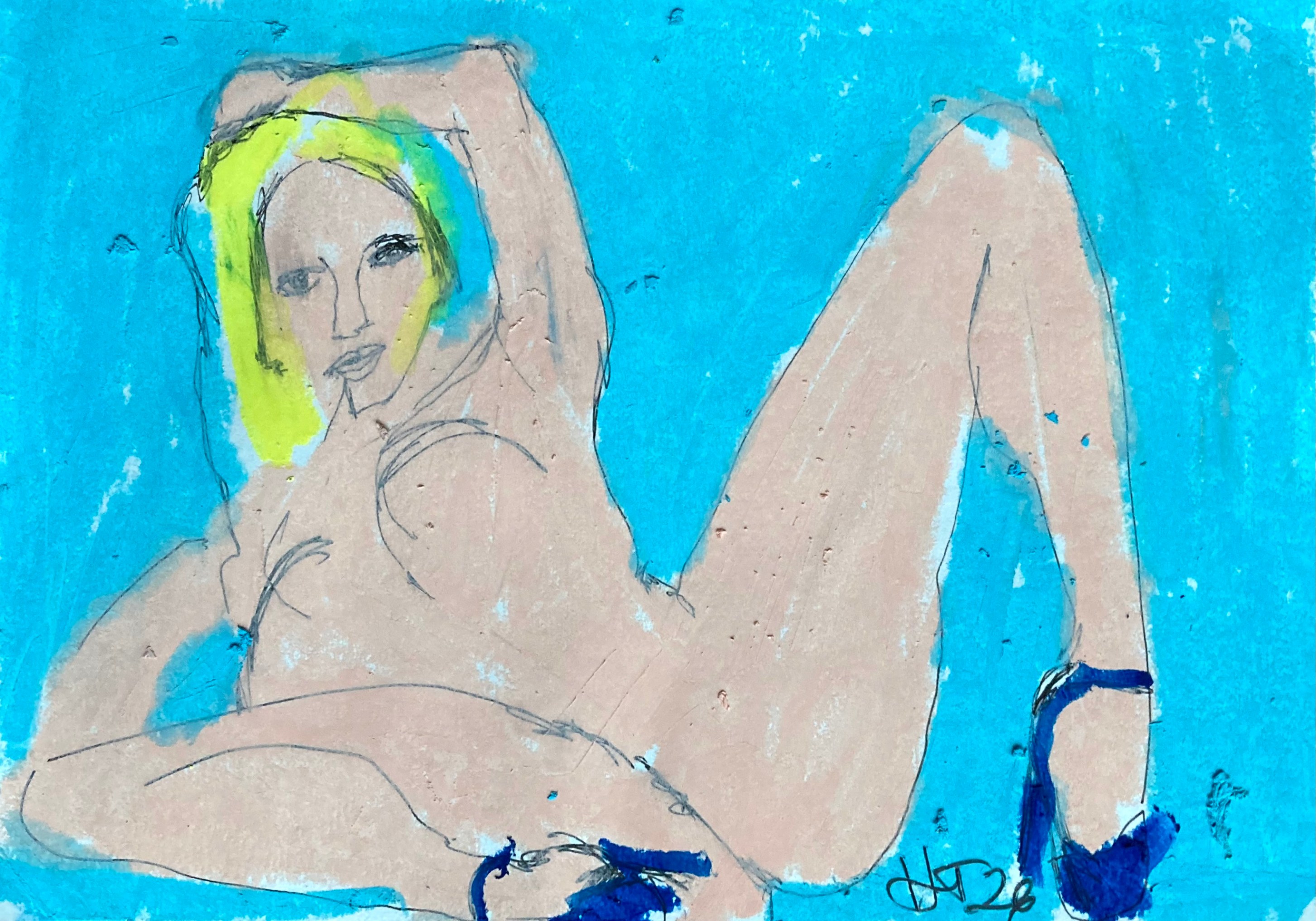
Drawing dick pic(k)s, pencil on paper, 2016 (istuppa tän päälle)

Niin ja lähetät sen, yleensä ihmiselle, jota et ole koskaan tavannut, aika hullua.

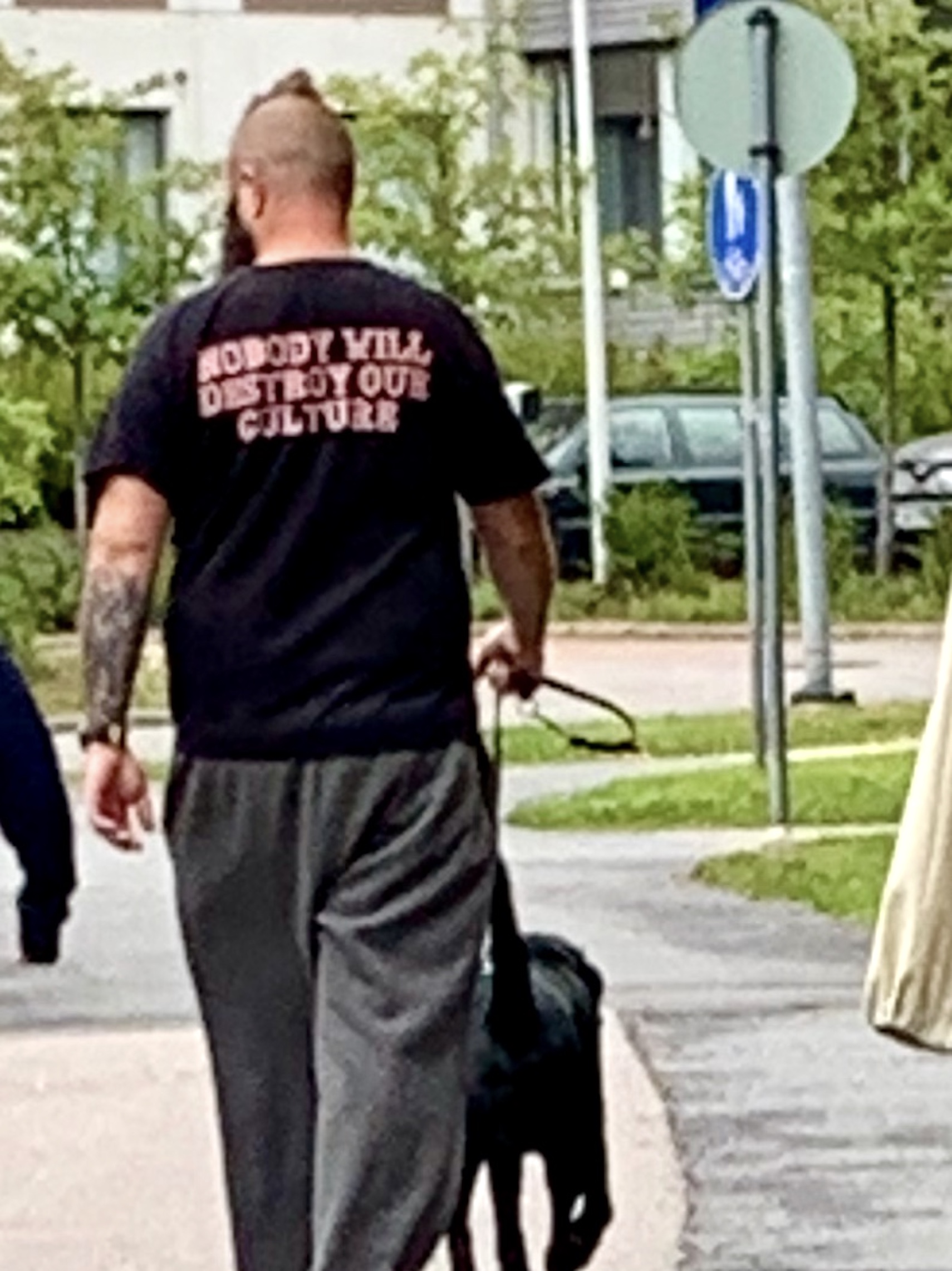
Nobody will destroy our culture? Can you say it in Finnish? I do hope it is true, I just don’t know exactly what it means as our culture is Western, it is also Scandinavian, European, Christianity-based and Finnish and I am writing this in English.

Finland has, as do other countries have, a diverse culture of its own, which is unique, and to protect our country, we are in the process of figuring out what must be protected and how. We are under constant threat is the atmosphere, independence being one, language and nature do get too easily ruined and lost. We have been losing some of our uniqueness in the process of consumerism and globalism having taken place and gaining power and we do not respect our knowhow and abilities as much as we should. Indifference is one factor, monoculture of media being one, all wanting the same success and material goods? It is a baffling process when work is being shifted abroad, goods flow here from abroad usually from China and it is expensive to produce anything in Finland. Imitation seems to be the easiest and quickest way to make money. That is the current culture we like. Question is how do we compete and what do we have to lose other than the things mentioned above? We can lose the welfare state, if we are not careful and cannot employ people in this country and pay taxes. Lose our culture meaning the Western culture as a whole by invasion of Muslims? It is not dystopia of the future but happening all the time. Many think we have freedom of religion, but Islam is not for freedom and does not respect our beliefs and customs. We are under threat as a society is on the news, it is clear and what to do is not that obvious, but have we caused it ourselves? What can be done about the current situation which is getting out of hand? What does destruction of a culture look like and how naivety is helping in this destruction? How our Western culture is being destroyed? We have helped those in need haven’t we? It should be enough for evidence of our goodness and will to do good.

We are pretty good at it ourselves, but maybe we do not recognise it, our culture crash from within. One or many culture crashes coming from outside, drama at the moment is dense and drama of the moment means Muslims immigrating at large numbers to countries where there is Christian majority population and customs and freedom. Freedom to criticise, speak, think, dress, work, study and live, freedom also to have faith without it bothering anyone and freedom to not have religion, which Muslims do not have. Muslim immigration which has become visible via crime and welfare costs is a big worry and topic of which the left is peculiarly quiet about. Rioting in Sweden Malmö is not new as Sweden has been generous by taking in people from all over who need help. Large antipathy movement in Finland against immigration especially from the Muslim countries has been strong several years and polarisation happens fast. Worry is acute and true since such riots have not been part of Scandinavian cultures before the large scale immigration during recent decades. Emerging unrest which arises when someone burns the Quran, so unexpectedly ( would not happen in the case of burning the Bible), so what should we be thinking about Muslims, the continuous immigration and refugee crisis, since it hits Scandinavia just the way sceptics and critics have been warning many years, unexpected and unfortunate?

Camps are clear. Muslims are defended largely and loudly by the left and opposition is the right, some like to say far-right, very roughly put. Are you telling me that Islam is on the left? Critique is obviously only offensive and harmful. This is the dichotomy, constant argument and very much the conversation online in social media. I myself am against the unstoppable flow of immigrants and refugees who burden the welfare system of our country without enriching or contributing to our country, but doing the opposite. Thanks to Sweden and its aid, immigrants are burning suburbs or was it Danish who burned the Quran? Muslims sure know how to react…It speaks volumes, as do unemployment rates and no-go-zones. Secular countries as Scandinavian ones strangely respect Islam very highly and criticising Islam is not so tolerated by the left camp, which is comical, one must laugh out loud. What is going on in the left? I do not know what to think about this lot, proletariat? Maybe minarets are what is wanted in Finnish suburbs too. Alarmingly English speaking employees, who do not speak Finnish, serve us in cafeterias and bars. It is not our official language and to my mind all are required to learn our language who live and work in Finland. I hope immigrants learn other things than riding a bike. Respect must be mutual. We work hard and I hope you do too. Burning cars is not helpful. It is a bad message and ungrateful as fuck.

Anyone ever wondered what kind of an influence one’s sex, origin and looks have in life in general and in the arts?

I claim they have more significance than anyone cares to admit. Vanity industries do pay attention to the surface much more than I and I am shocked when what I wear is paid more attention to than what kind of art I do or my looks tell what I am capable of (with which I like to play with). How much is it in the interests of the arts to keep stereotypes alive or whose interests are in question all in all, because they are not mine? One can wonder and it is truly weird one has to keep up appearance and act upon one’s appearance. I make this assumption, I should act according to my sex, sex and gender are always an issue, and appearance, because such is my strongest asset? What is the appearance of an artist today, a businessman who functions like a machine, is efficient and more importantly is male? Clichés are so much alive, I wonder the speed of progress. (What progress?) Things that instantly come to your mind when you see someone, what do they tell of you?

BTW, any modelling agency hire 45yrs old? That would be a career change, lol. Oh no, I should lose weight.

From Finland

Think about how gossiping makes you feel, powerful, right. You are observing someone’s life from above and laughing at it or having other kind of reactions. What kind of power that is to be able to know what goes on in other people’s lives and be able to discuss that? What does gossip do and what is the purpose? It has many purposes of which most aren’t positive. It is a power play of simple people who feel powerless without the possibility of being able to put someone down. This is of course a global phenomenon which one should be very careful about. It makes us careful who we trust if anyone. Gossip makes you look so intelligent, doesn’t it. Especially when you don’t know..wtf.

Gossip, word of mouth. It is to believe, that what is said, is passed forward in faith it will do harm and is somehow justified, a play of hierarchy. By saying the things you say you will cause something which may become a storm. It is used to destroy people or it is used to do something else. What other can gossip make than harm? Haters make nowadays social media phenomenons of those who are hated, there are few examples. This may turn out to be a good thing in the end as people understand at some point how useless and simple hating is as a strategy and how it tells more about those who hate and gossip than of those who are targeted. How something so hateful and negative can turn out to be a good thing? Gossip can be advertising as it travels in speed that positive things do not. There is an image of human nature there and what stands as interesting to us.

Fine art proves in so many ways how fascist its structures and practices of thought are, it keeps things  willingly as stagnant as possible. Such state is more lucrative, to keep things unchanged as to change anything takes a lot of hard work, and yes thinking. People obviously do not notice.

Walking genitalia, it’s a girl!

That we are our parts, especially our sexual organs via which we become sexualized, categorized, labeled adequate or not as it was a natural law and we like animals ready to mate any time, in heat. Sure I’m horny constantly looking for a mate and because I wear miniskirt I’m in for it anywhere anytime, because I am drunk I can be asked for a blowjob at a party in front of everybody (this is sarcasm, a joke, ahahahahah). We either can use that strange revolting reality for our benefit or can not because it is too much to take, too sickening, don’t want to because it may seem secondary to look sexy all the time, smile all the time no matter what. There is so much one can take and understand is fair. For some it is not the most important issue in life to fuck and be fucked. As it happens this desire is just thrown at one’s face, on one’s whole being that this is what you are for, this is what you want too, don’t you. Sexual organ is inside one’s head and it is not turned on by this. The OFF has become so strong that certain types make me nauseating.
When this hyper-sexualized reality of ours is overwhelmingly torturous, monotonous, attacking anywhere every day like it is something we should accept because it is not going away or changing and to get used to something which is abusive is wrong. To oppose it must be done so it hits the core. To use one’s sexuality and body is one way, very effective. What is it that we want to see again? In a manner method truly cuts the thought and anything someone was saying and doing bringing anger or other kinds of reactions. Reactions are very telling. To change reality as we know it is a huge task for the reason of massive overload and brainwash of one truth and the mass of true believers who think are right and are shown what they want. The thought that heteronormative society is absolutely the correct way to have and build society and make human relationships is a default. Strangely because it is the most violent. It is to see people through straight intercourse where women are waiting to be mated and taken, and if they are not there or willing it is something wrong with them, because smiling and making babies is what women must do to appeal and fulfill their meaning, and of course owning things is the same as owning people.
That there are strict codes and rules for people how to be actualized as humans, is violence against all people denying the human right of finding out one’s talents as oneself, denying opportunity and freedom. Now all over the world tendency is anything which is not in the book or is forbidden is out of the order, because it will ruin the whole of society which anywhere is carefully planned and constructed to be something in particular, whether it is to oppress or give opportunity. Who are oppressed and who are given opportunities is the question and other is why. To build society of opportunity for all is difficult to realize and maintain but is not impossible.
Why there are old books that know how people of today must organize their lives? Moral code varies but something repeats everywhere, how women and girls are seen, given chances, treated and what women are in society, what is their role. What people are allowed to do in their lives. That there are people who allow us to do things sounds so distant history, a permission granted, do I have to ask for it, a tragedy is that for example becoming an artist can be a shock to the family, girl wants to go to university because she likes learning and wants to use her talent and she is beaten for it. For a boy encouragement comes in different form than for a girl, though becoming an artist can be a shock whether one is boy or a girl in certain circles. Boys are forced to marry as well, boys are beaten for crying and being too feminine. What life can be and should be is set by moral authorities, ancient traditions, where men versus women dichotomy is always present, how sexes and genders are meant to actualize and exist, co-exist. When one has to struggle as a girl being fitted into something given outside and as a woman struggle still away from constant reality of her sex, sexualization, position, place, normalcy, not to speak of being an artist in such society where ridiculous old-fashioned values and points of views persist to incredible force.

There are those who will use sexuality of others for benefit whatever there is to benefit from sex, a lot obviously. Sexual sides of ours, how many sides are there and who is willing or allowed to explore those yearnings, what can be done to another person and why there is a ban on some things.


Finland is more fascist than we dare to admit.

Thing is many do not know what fascism is. It is something outside the good common people have and do, because it is the ultimate evil. How far right people’s opinions and deeds eventually are seems to be something people fail to acknowledge and define. People like to define others instead of themselves, themselves the self-evident good. You have already made yourselves? People like to say not me but that other, that who doesn’t do things like most must be doing something wrong because the most are not doing the same wrong, the most of us have the right and are right practicing a norm. Logic there is funny and often nonexistent. Who said the most of us doing something is the right thing, the most equal, good thing to do. What is the proof of good for us? Unhurt, discomfort, future prospects?

Normality defined by the most of us, by what is said and done, by traditions, customs and human sense. Show me where we are going, but do not change much, we cannot take it. Inability to change is clear and change is slow. Does it look like we know where we are going? How does it appear we are changing? To know what is fascist, what should we look for? Surveillance, exclusion, indifference, what kind of voices are heard, who gets to speak.

Scar which I repeat, because it is a deep cut and inescapable. The scar of the society which society repeats because it cannot do otherwise. It cannot or does not want to heal itself because it does not see itself sick:
To me fascism is an extreme and violent idea of purity and exclusion. Extreme idea and desire to stay the same what is defined as good to be. As a woman and an artist I have been placed in to marginal of impure. To look for scars, flaws, dirt of mine, spreading it all over (see her and place her behind) and suspicion over me not being as good as those already defined as good has been an everyday occurrence. It has been difficult to understand what is going on, but it is clear I do not belong to the accepted norm which begins over and over again from a moment of I don’t have to say anything but to appear/exist being enough to raise the alarm. Well I have become to like the situation and making the most out of my excellence. As it goes it takes the personal experience to launch major fight. Your good is not good enough.

Fascism has not left anywhere. Situation is scary when you fail to recognize it.

Is public good something that pleases most everybody? Is it about pleasing in the end, helping, accepting and to put human good will in action?

http://www.berfrois.com/2014/03/foucaults-don-quixote/
“Don Quixote is the first modern work of literature,” Foucault writes, “because in it we see the cruel reason of identities and differences makes endless sport of signs and similitudes; because in it language breaks off its old kinship with things and enters into that lonely sovereignty from which it will appear, in its separate state, only as literature.”