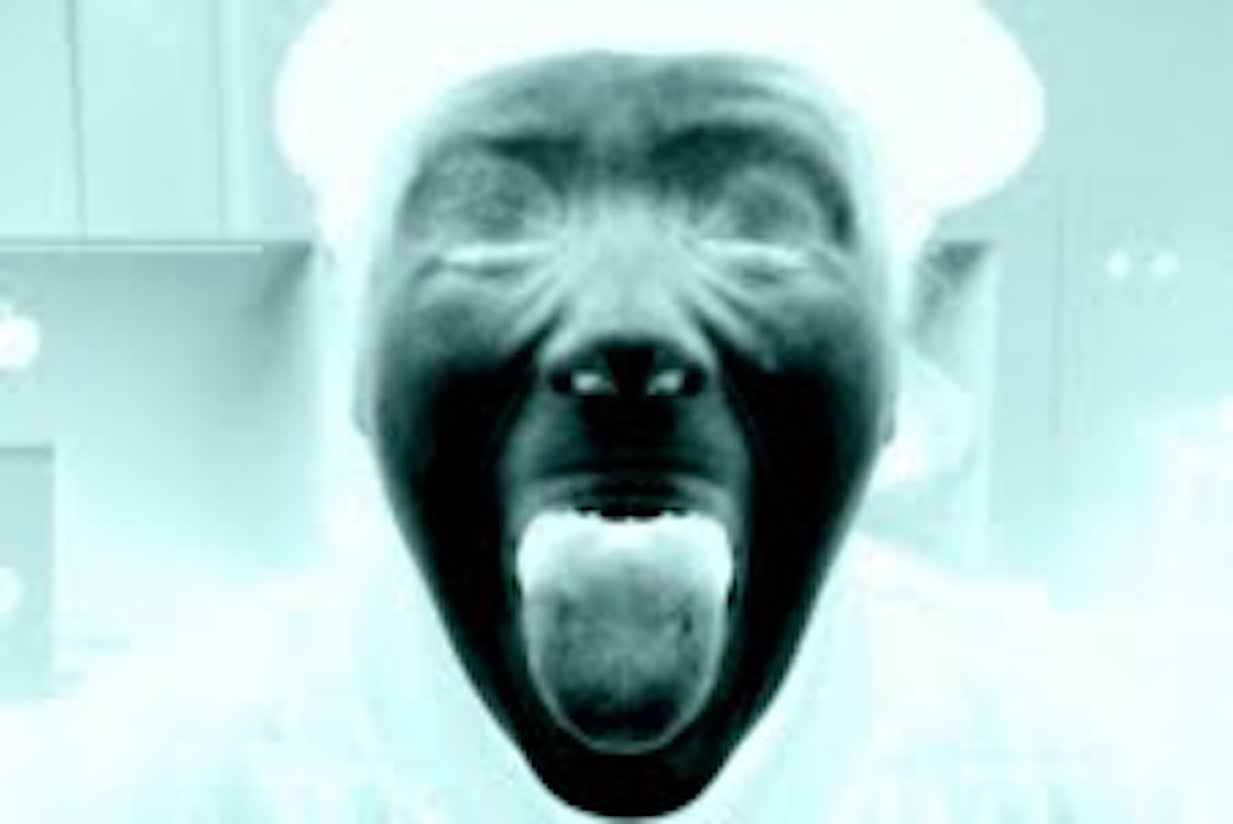
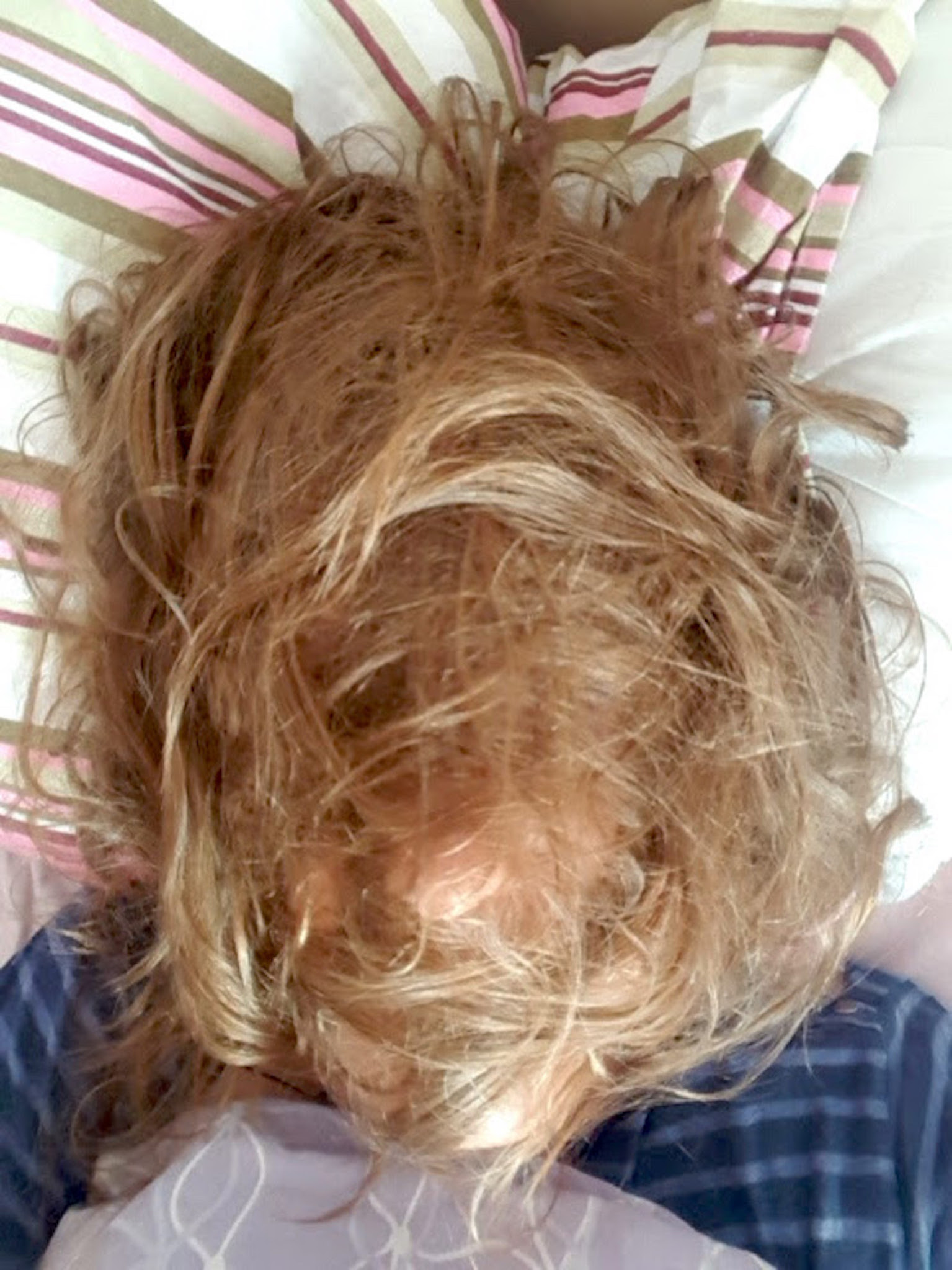
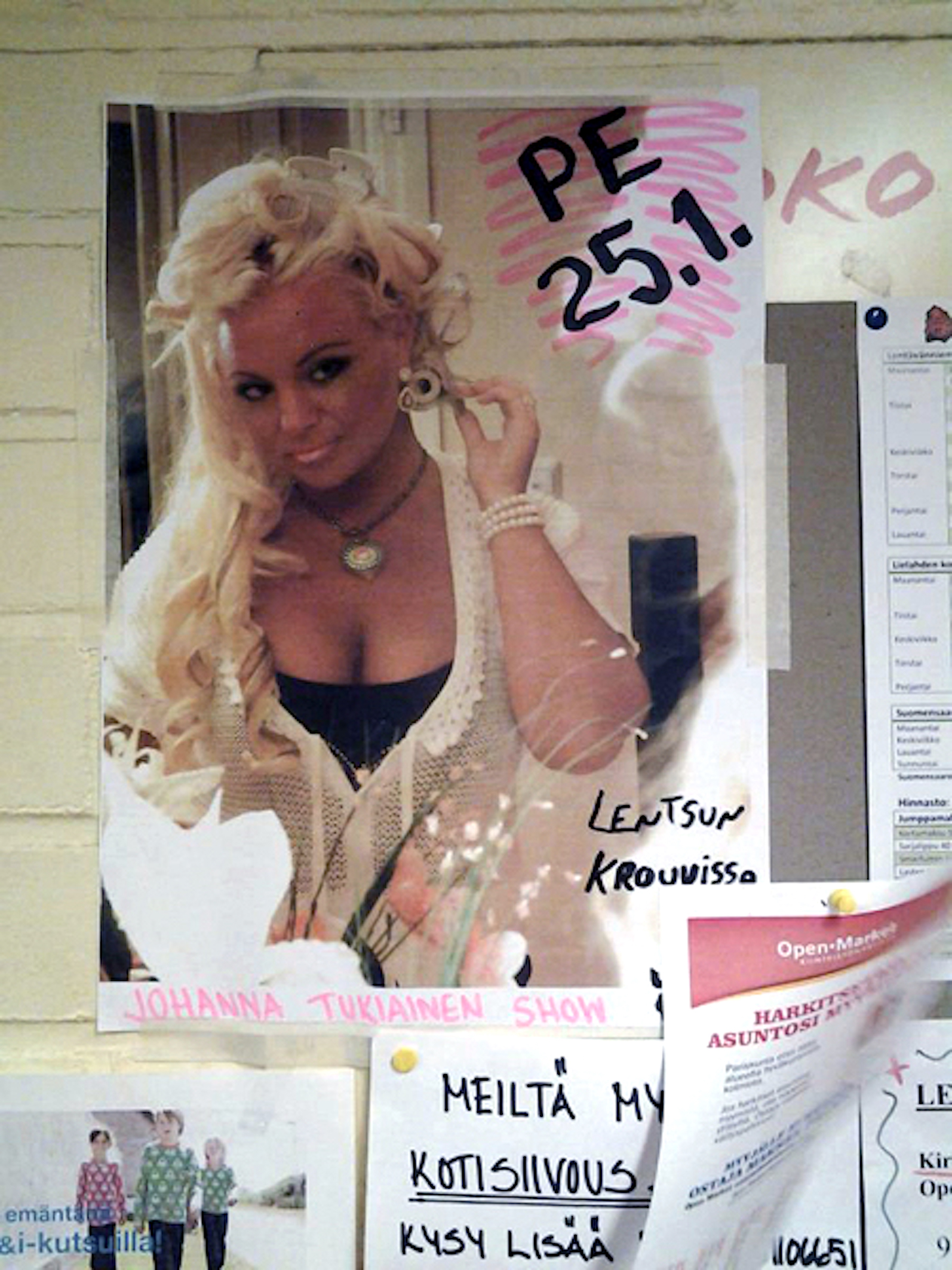
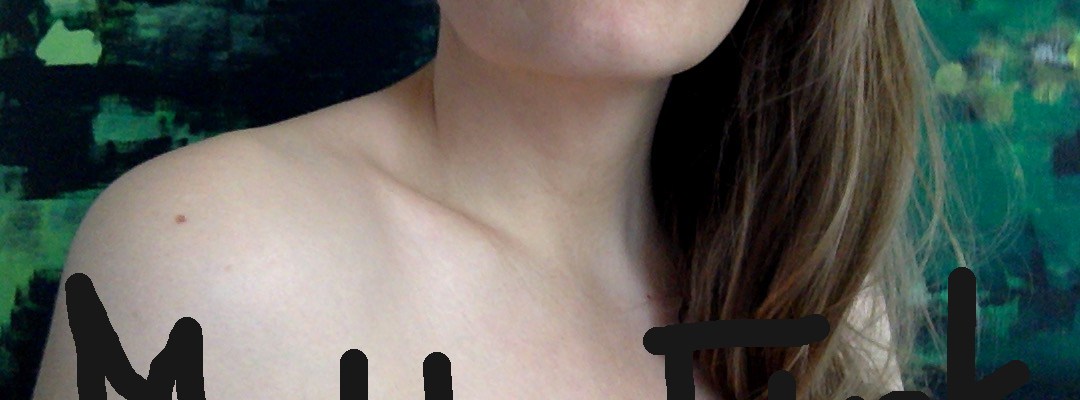
Art of Selfie, obsessed with looks? The obsession fascinates me, not the images that much, also the mass of them, production. Images for instance on Instagram seem very alike are composition, content and how poseing is done. It’s almost funny how little there is to tell in the end. What are images supposed to tell as they are curated? What is the motive? What are we to think about and what kind of judgments to place based on what can be seen? The prettiest angle found, points of views there to not aging, especially eating and clothes, perspectives to humanity, being artificial still and the unending love for self?
For a woman expectations are pretty fixed and even little deviation is seen as weird and easily rejected, doubted, under suspicion. Suspicion is you fake it constantly and lie. That is one burden on women, we are not to be trusted. This is also among women who do follow rules of how to be a woman the right way, act like a woman, look like a woman, get things like a woman, recognizable. What are the feminine things, the more ultra-feminine femininity is created via makeup, pushup and moving like a woman, one wonders who qualifies and how to fit in, how to exploit all of these to be admired and make a buck, men entering the woman-sphere and all, one must think these things. Is it a competition like on TV? Reality? But you begin to look weird, when you stretch your face too much, do too much plastic surgery and picture yourself only, what is that? I think that is weird. In search of perfect? But to me the question, what is a woman, in this day and age, is still numbing. What kind of purpose does it serve and what is it meant to create instead?
How artist presents herself/himself in the business of art, is an interesting loaded mix of expectations burdened with stereotypes, desires and needs hungry for fame. Image manipulation, destruction of self or megalomaniac sense of self, selling of self, creation of a monster or a good-doer is art in itself: constant recreation and exploring the new, trying to have it all and be seen. What does politics got to do with art? Artists are very political nowadays and there is a right path and a wrong one, but all think art is on the left. How that happened? Who do I have to impress is people who pay attention to appearances, if I am interested in impressing such people.. Who is I wonder?
Image manipulation by gadgets gives us options to enhance self-image, look sellable, be the artwork and maybe interesting or just to fit in, be accepted. Usually it is good for to look successful or smell like money and celebrity with future. Scandal is a good way to make news and it can be art as everything when said so. Celebrity culture as pop culture suck Fine Art in as the art is an investment, nice attachment to your persona and interior, an organism which is you, fitting in the ecosystem to look the look and being an interesting artist is heavily sought after status. What happens to quality of art and the thought of art in this process of manufacturing artists through yellow page media, visibility in social media, selling NFTs as art? Is all just digital mush or have a profound cultural importance, importance of quick transactions and constant newness, as faces get boring too? Do we get depth and innovation or glam surfaces, lack of technical skills or just technical skills, lack of insight and hyped nonsense, fast art, which is only over-priced bulk, jpegs? Bubbles to burst, numbers.
Success is measured in money also in art, is the grander the better, how much a name costs? It is what interests media, how much anything sells and what anything looks like, fit the mold, what is the mold? Looks like an hourglass. If bulk sells, it doesn’t really matter, what we call it, because sales is good? How long that lasts? In art also matters who sees it and why and where. It is almost an artform itself, sales of art and the artist as a person. For women appearance is a significant issue to think about when and always you will come by people who check you out, which is why I constantly ponder the issue of looks, it is so big a thing that I can’t really comprehend the magnitude nor significance of appearance in art, but it is the dandy, bohemian, rocker, dangerous in some way, floppy and fun representing the fast life, fleeting existence and creativity, the buzzword. How and what appearance tells what kind of art anyone makes and can it be seen on the artist herself/himself? I have been told this is the case. We are very visually curious, we are built to be. So it is biological too, of course, and meant to raise interest. Women do have harder time convincing credibility and ability, stamina even more so if you think different from the accepted narrative people in art like keeping alive. Appearances matter to this degree, keeping it quiet is easier and more profitable.
Looks has significant meaning as sex does in art, very poignant if wanted so and thrown at you. Many artists exploit this scare of looking extreme, enjoy the stir and being noticed. How do artists get noticed other than naked, by whom and what are the things that interest? They (the establishment) say, they want radical art to align with the assumed leftist-feminist leanings of theirs and the assumed in Fine Art is the facade. Do you really believe in the radical in Fine Art, really? I don’t. Radical challenges too much, for instance lofty positions and the assumptions you stand on are somewhat thin, so you may find yourselves in a weird place, out with the unknown and the unexpected which for curators must be hell. In music it is more celebrated than in Fine Art to do and look totally punk for instance. What’s punk behavior? Fine Art still remains slow and is going more and more conservative, reserved and narrow-minded in the meaning of what is accepted style-wise and experimentally etc. if experimentation is allowed at all. Trends matter. Social justice is a trend. Everything getting more expensive has its toll, everything is measured in money and ruled by the thought of what can be made in the future with the asset. Self-interest is very visible. Is that the spirit of art? And what are they scared of the most is being left outside out of work without security of the system. Outside of what, outside of art sounds like against art or art not found? The grace of celebrity in the white cube is art, it is the tactics of institutions to follow the money and the camera and is art itself? Oh dear, art doesn’t exist anywhere else and especially, if it isn’t noticed by the right people. Art is more like be chic in a magazine simulating punk but don’t step over the lines. Such is the impact of managerial class, the business world, social media and bureaucracy, which flourish in Fine Art. I assume the boxing of artists into wanted and unwanted is more clear process today.
Obscurity, the unknown, the class issue and in which city are you, comes handily visible and it is almost difficult to define with any other words than waiting for the counterculture to emerge like when the fuck and where is it. We need the location and who done it. People who say they love art like to use power in art. Do you love money more? What comes to style and looks, thinking of what is the so-called art of presenting oneself and how does the art made sync with the portrayal and creating of the image of an artist, must it and what is quality in all of this in the end, because it seems just frames and highly designed locations to match? Isn’t it again bulk and template? Easy to manufacture like an artist off the shelf with a name to collect? They do check you from head to toe because the artist is always a liability not the other way round. The element of the unknown has been the essence of Fine Art, discovery not the theater around the object. Do you want to feel secure and see art that fits the narrative of success and how it is defined today through financial winnings in the capitals of the art world? One question is the age of an artist, which all in all is fast: what do we think about aging artists and is art a game for the young and emerging like in a factory? Age is emphasized, youth and for women it always is a question. Or do you see much images of old people in art? Maybe the older women get a better chance, since youth for women is the time for not being taken seriously, but the time when women are enjoyed. Who takes this scene seriously, I wonder? When money is serious, always.
This happens to women more and more, evaluation by appearance and aging. Evaluation based on looks and finances somehow resonate with the ability to do art, think and renew oneself as an artist, am I wrong? Womanly art, womanly colors? How credibility is seen differs for men and women as men do bond naturally together, women can be seen as futile competition, but competition nevertheless. Do your thing honey, if you dare. What, to break anything? Competition of course is harsh. How many times can they say, you can’t? When there is silence, it is a sign of realizing to say anything else is impossible and so hard. How sad. I gather you do not have much to say to begin with, so I am better off.
Fucked, pencil on paper, 2020 (series of young women passed out online)
Stereotypical image and lure in art is the muse and hero, light look on life and its pleasures and women are there for pleasure, to be looked at and made into art or used and discarded, also very lightly. How well women fit into the man-centred world and the thought, what is an artist, who is an artist essentially? The class issue is very much there as well. Many women have pictured themselves in their art as art (how are you art again?), fashion being part of their work, women’s work, which should also be asked what is women’s work as woman is not known anymore (woman is the unknown?), duties and the lot of women, so very often doing the work, which goes unnoticed but is vital for all society. She, the female artist and any woman, processes the female experience in the world, continuously. It is that heavy, also repetitious, recognizable, slowly changing with society. What is that change, who is the vulnerable again? Weak men online shouting they are women? The humiliation and doubting of her, how she is treated can be seen in her work. But yet, how important it is to make a difference between male and female artists anymore? Difference is because women are menstruators and cervix-havers? Men are penis-holders, shoulders, beard-havers, muscular door-openers? Nowadays even feminism serves men, the difference is there and it comes to play continuously organically and via organs we have. We carry organs and assume, even though it is rude towards the minorities. What kind of weight is given to the female voices, organs and what are women allowed to say and do they (the establishment) even see a problem? Flying around the globe to see art at art fairs and provide art to biennales is not knowing that flying is part of the problem contributing to climate change. The countering and questioning female voices remain silenced. There is a familiar ring to it. You do acknowledge sexism, harassment, silencing and misogyny in art? I do acknowledge there are people who really do not see themselves despite how much there are selfies. Do you even recognize what is what, when you don’t know what a woman is? How can we trust such people in places of power? What are you going to do about the stagnant state of Fine Art that serves money and constant consumption? That is what feminism is for? Buying stuff and having the look of feminism? Museum not paying a living wage for cleaning ladies is a wonderful example of art crap.
2020
To see the day when womanhood is questioned to the degree of lunacy, who is a woman. I think I feel it in my bones.
To embrace Miss Universe, hot total prank girl, who wants to make people laugh, eat healthy, stay fit. Wear bikini as a uniform, pose, embrace your body, look good. What is wrong with that? Attitude in a bikini.
We didn’t think she would answer back. We didn’t think she’d have it in her. In her is an interesting thought. What is in her? What do you think she has in her? What kind of outer qualities tell of what she has in her? What she has in her? How do you make your judgment, what do you believe without questioning, what someone is all about? What there is in someone, something unseen, unwitnessed, capabilities, possibilities. How do you feel when you are not believed in?
Famous faces, puppies or kittens? Flats or heels? On or off? I want you to be completely honest, we are here to connect. No problem of turning your life a reality show, no surprise there. Another baby on the way. Let’s talk about your married life. She is poisonous. She is an emotional wreck right now. She has hormones making her laugh hysterically and cry the next minute. His heart is awesome, he has a really big heart.
Gossip page
Did you hear the gossip? What was the gossip about and of whom? What did that person do and how did you hear about it? Why is the thing gossip and why is it talked about? Is it a private matter of someone, that got revealed and is now getting out of proportion? How does that make you feel and how do you feel when you talk about the issue? How do you think it is any concern of yours? What is the truth value in this and what the value of telling this story forward to anybody? What kind of world do you think gossip makes and what kind of humanity it reveals?
Did you hear the gossip? Who did you hear it from? How did this person come across this information and what did he/she think of it? Did he/she think of it as absolute truth or something to trash somebody with?
Mietin mitä taiteilijamyytti tarkoittaa. Onko se vapauttava vai kahlitseva? Ainakin sitä voi kommentoida, koska on kyse yhteiskunnan arvoista, esittämisen tavoista, määrittelyistä, kulttuurista kokonaisvaltaisesti, sivistyksestä ja estetiikastamme. Minulle se on länsimainen sankaritaiteilijakäsitys jossa pelataan näyttävyydellä, maineella, historiankirjoituksella, tärkeydellä, painotuksilla, piilotuksella, teatterilla ja tarinoilla ja toisaalta hyvin avoimella itsepaljastuksella, itsetarkoituksellisella jossa tähdätään korostamiseen. Mystiikalla ja myytillä on kiehtovuuden elementti, joka helposti jää insinöörikeskeisessä hyötyajattelussamme vähemmälle arvostukselle höpöhöpönä. Insinööreillä on omat myyttinsä ja tarpeensa. Taide tulee taiteen myytissä jostakin tuntemattomasta, kuvitellusta missä ei ole sanoja, josta ei ole sanoja, jokin selittämätön on tehty näkyväksi, ihasteltavaksi ja haluttavaksi, etenkin kuvataiteessa, joten taiteilija on välikappale jolla on lahja. Taiteilijan ei tarvitse selittää tekemisiään tai hänelle on siunaantunut lupa tehdä ja kokeilla joka elämänalueella. ”Kun te taiteilijat olette sellaisia.” On joku tieto millaisia taiteilijat ovat, koska on kerrottu. Kärsivä taiteilija-käsitys on jotakin säälittävää ja dekadenssi vaarallista, taiteilijuus tunteellista, estotonta ja epätodellista, sadunomaista ja kammottavaa, mutta kiehtovan kaunista. Tosin taiteilijan on osattava hommansa, on oltava hyvä. Mistä kärsimys johtuu ja miksi taiteilija kärsii. Taidekäsitys johon kuuluvat vahvat kliseet taiteilijuudesta on pidetty. Mieltymykset joita pidetään tietoisesti yllä ovat nostalgisia, ne palvelevat ikuistamisprosessia ja liiketoimintaa, tarinoiden nälkää. Mitä taide on ja kuinka tärkeä kysymys se on ratkaista? On varmaan vielä ajatus ja valinta, että katsoja ei ymmärrä, koska hän sanoo niin, hän ajattelee ettei joku taiteena tehty ole taidetta, koska nähty ja koettu ei selity opituilla katsomisen ja ajattelun tavoilla joita taiteesta on tai taide on taidetta koska niin sanotaan, mutta ei katsojalle, koska hän voi päättää. Mitä se tarkoittaa taiteilijan kannalta? Onko se kritiikki vai moite, huomionarvoinen asia? Mitä voi ymmärtää tuntemattomasta ensi silmäyksellä ja miten paljon täytyy ymmärtää? Kaikki välittömästi? Taiteilijamyytissä on ikuisuuspainotus ja idolisointiajatus, että taide on muuttumatonta ja taiteilijat ovat tämän myytin armoilla. Muuttumattomuus on keskinkertaisuuden ehto eli taiteen oletetaan pysyvän samanlaisena ja se tarjoillaan samanlaisena, samoista lähtökohdista, tarkoituksista, motiiveista, välineillä ja esittämisen tavoilla syntyneenä, jotakin hyvää taiteena, jonka voi hyväksyä, koska sen ymmärtää. Ymmärtää mitä? Onko taide esine joka laitetaan johonkin tuttuun paikkaan tutulla tavalla symmetrisesti vai voiko taide olla orgaaninen osa rakennusta ja rakennuksessa olemista? Onko taide monumentti rakennuksen edessä vai onko sillä joku muu funktio? Myytti on nimenomaan paikallaan pysyvä ja varjeltava esine, joka kertoo ja kuvaa mitä taiteessa kuvataan, joka on myös oletus.
Mitä taiteilija käy läpi elämässään on oletus, että se vaikuttaa taiteeseen jota hän tekee, että henkilökohtainen muotoutuu taiteeksi, on osa tarinallisuutta, jota voi miettiä, miten se istuu nykypäivään. Millaisista perspektiiveistä taiteilijuus kasvaa, kun oletus, joka on ollut sama, muuttuu tai esikuvat ovat niin iskostuneet mieliin, että taiteilijuus kasvaa niistä väistämättä jotenkin. Ei ehkä samanlaisena, mutta vaikuttuneena vastustaen tai hyväksyen. Mitä taiteilijasta tulee tietää, mitä taiteilijan persoonasta on avattava ja miksi. Onko taiteilija esillä vai teos, vai molemmat? Mitä myytti tarkoittaa naiselle, joka on taiteilija ja kokee, että taiteilijuus on hänen ensisijainen tarkoituksensa, identiteettinsä, tehtävänsä, työnsä, rakkautensa ja olemassaolon välttämättömyys, huolimatta siitä, mitä yhteiskunta ja ihmiset olettavat hänen olevan ja tekevän. Oletukset ovat aikamoinen painolasti ja myytin kautta oletetaan, kuten sukupuolen ja iän kautta oletetaan, mitä on tehtävä. Oletukset ohjaavat paljon kuinka taiteilija esitetään, koska taiteilija on nähtävä ja tavattava. Hän poseeraa kameralle. Mitä taiteilijan tulee tehdä taiteena jota halutaan ohjailla, kun kerrotaan mikä on taidetta ja mikä ei. Millaisiin tuntoihin taiteen tulee vastata, millaiseen estetiikkaan? Valmiina olevat kehykset taiteelle ohjaavat mikä ajatellaan taiteena. ”Tämä on nyt sitä taidetta”. Astutaan varovaisesti paikkaan jossa ei ole ennen käyty, kuten oopperaan tai taidegalleriaan, omituisuuden, tuntemattoman ja tutun välimaastossa tehdään valintoja. Miten täällä ollaan?
Taiteilijuus voi tarkoittaa että taiteilija on omituinen (ensisijaisesti) friikki, ulkopuolinen, vaikeaselkoinen ja hauras, jonka työ on käsittämätöntä ja kenties turhaa, ehkä hänestä ei tule mitään. Yksi oleellinen osa on voimakas seksuaalisuus, joka yhdistetään taiteeseen, tekemiseen, jota kautta on olemassa oletus, että kaikille taiteilijoille on ok tulla lähestytyksi ja nähdyksi seksin kautta, että taide ammattina on seksuaalinen ja siltä osin taiteilija on estoton, villi ja kokeilunhaluinen. Suoria johtopäätöksiä tehdään kaiken aikaa ja ne ovat haitallisia, ihan missä tahansa. Käsittämättömyyden ajatukseen taiteilijamyytti solahtaa varsin helposti, kuten myös pelkoihin tuntematonta vaikeutta, myyttiä ja kokoa kohtaan, ajatusta siitä, mitä taiteilija tekee ja on, ajatus siitä, mitä on kohdata tuo kummallinen taruolento, kun elämme varsin arkisessa nykymaailmassa. Alastomuus on aina liikaa, sairasta ja hyvän tavan vastaista. Seksi taiteessa on pornoa ja kertoo taiteilijasta jotakin. Kuinka opimme katsomaan taidetta ja taiteilijaa niin, että niissä molemmissa on tasoja ilman oletuksia? Jotakin narratiivia on muutettava.
Taidemuseoiden olisi oltava perheystävällisiä, kuvauksellisia majakoita ja taiteen toistaa sitä mitä siltä odotetaan, viihdyttää ja antaa elämyksiä, kasvattaa ja opettaa, kerätä kokoon maksavia asiakkaita? Syyttävä sormi osoittaa taiteilijaa, että hän on sairas. Millainen sairaus piilee kulttuurissa joka lokeroi kovin vahvasti ja instituutio-uskovaisuudessa, jossa taiteilija tuottaa sisällön, mutta on näin alisteisessa asemassa? Sairauden ja sairaalloisuuden myytti on vahva taiteilijuudessa, jossa omituisuus, eksentrisyys helposti mielletään hulluudeksi, joka bisneksessä ei välttämättä enää myy, koska hulluus on pelottavaa, mutta toisaalta taas myy kuin häkä, koska mielikuvat ovat tärkeitä. Tämäkin asia on hyvin sukupuolittunut. Hulluus, naintihalukkuus ja päihteiden väärinkäyttö on naiselle enemmän väärin kuin miehelle, ellei ole Tracey Emin eli jo valmiiksi kuuluisa ja hän on silti skandaali. Taiteilijamyytti on kertomus ja elämäkerta, skandaalimainen sairaalloisesta, alkoholisoituneesta kevytkenkäisestä huithapelista, joka ei välitä annetuista suosituksista eikä rajoista. Tämä on hyväksyttyä, kun siihen on tietty etäisyys ja on saavutettu kuuluisuus. Hyödytön tekeminen on oleellista taiteessa, mutta se on myös taiteen leimaamista ulkopuolelta, kun taide nähdään vaikeana lähestyä. Se on hyödytöntä, koska tulokset ovat mitä sattuu ja pahinta on, jos sillä ei tee rahaa vai onko sittenkin, kun ei tule noteeratuksi. Ne eivät kuitenkaan ole synonyymejä. Hyödyttömyyden ruumiillistuma on rahaton ihminen, joka maalailee ja kuvittelee olevansa taiteilija.
Nainen taiteilijana kohtaa taiteilijamyytin, joka on rakennettu elostelulle, itsekeskeisyydelle, tiukoille roolimalleille, turhamaisuudelle, naisvihalle ja avoimelle seksismille ja sille mahdolliselle tulevalle sankaruudelle. Käyttää sanaa naistaiteilija on omituista. Se palvelee taiteilijuuden rajaamista, erilaisuuden painottamista sukupuolen mukaan, valintaa joka on poikkeava ja jonkun vanhoillisen jaon elossa pitämistä, jolle ei enää ole käyttöä. Erottelu on ongelmallista myös, kun puhutaan vaikka vammaistaiteesta ja etnisestä taiteesta, kun halutaan erotella kuka tekee ja minne tekee, kenelle tekee, ihmisyys, taiteiden seinät ja esittämisen paikat ja painottaa, mistä pisteestä lähteä katsomaan tekijää. Määritelläänkö näin taiteen taso ja kritiikin antamisen raja? Korkea vai matala, tärkeä ja tärkeämpi, miksi kertoa miten katsoa? Miten tärkeä tekijän tausta on taiteen kannalta? Kun taide on miehinen ja valkoinen tausta kertoo paljon, jos niin halutaan, mitä se kertoo taiteestamme? Mitä tietoa tekijä antaa, mitä haluamme tietää ja miksi? Haluamme samaistumispintaa ja taiteella on yhteiskunnallinen, poliittinen merkitys, siksi on skandaalimaista että edelleen seksismi ja raja-aidat ovat taiteessa. Millaista kertomusta taiteilijasta haluamme ja onko taiteilija aktiivinen tämän kertomuksen kertojana vai solahtanut jo olemassa olevaan tapaan, jonka ajatellaan kuuluvan taiteen tapoihin, kuten esimerkiksi poseeraaminen teoksen edessä, jonka ajatellaan olevan oleellista taiteilijan näkemisen ja taiteilijan asettelun kannalta, taiteilija asetellaan, jotta hän tulee nähdyksi. Pohdinnan arvoista on, miten tekijän sukupuoli, vamma, väri, seksuaalinen suuntautuminen, kansallisuus, asuinpaikka, ulkonäkö ja koulutus jne. vaikuttavat taiteeseen ja taiteen arvoon taiteena, taiteilijan arvoon taiteilijana.
Taiteilijamyytissä on kyse brändäyksestä ja tunnistamisesta. Tunnistetaan ja tunnustetaan taiteellinen lahjakkuus ja hyväksytään hänet olemassa olevaan raamiin tunnustamalla ja tunnistamalla taide taiteeksi, taiteilija taiteilijaksi. Minulle tämä on esimerkiksi ollut hämmentävä kokemus, koska tulen taustasta, jossa taiteilijoita tulee toisenlaisista perheistä, joita sanotaan paremmiksi, ei sieltä mistä minä tulen. Kenties olenkin kiinnostava juuri sellaisena, duunaritausta hylkii taiteilijaa, kuten myös porvarillinen taide. Tilanne on hämmentävä ja jatkuva hylkimisreaktio johon tartun, koska raja-aita on siinä muurattuna. Tämä on yksi myytti, joka on olemassa, mistä taiteilija tulee ja voi tulla, kuka voi olla taiteilija, syntyykö taiteilija vai tehdäänkö hänet. Toinen myytti on, mitä taiteilija tekee että on taiteilija, millaiset kriteerit hänen on täytettävä ja kuka kriteerit asettaa. Millainen on luova ihminen, joka tekee ikuisia teoksia kuten luoja. Taiteilija on erikoiskyvykäs poikkeusihminen, kuten myytti sana antaa olettaa ja taiteilijoista oletetaan monasti jotakin ylevää tai päinvastaista. Ihminen josta tehdään ja joka tekee itsestään elävän sankarillisen tai anti-sankarillisen kuvan, joka muuttaa historian tai unohtuu. Mitä ajattelemme taiteilijan olevan, voimakas ja ihailtava, näkemyksellinen ja nimenomaan erikoislaatuinen ajattelija ja tekijä, itsellinen muutosvoima. Myytissä on aika ja koko, jotka molemmat ovat pitkiä ja suuria. Hän on hyvä, koska istuu historialliseen kertomukseen ja oletukseen mikä on taiteilija ja hänen tehtäväänsä, hän poikkeaa normaalista, hän on päättänyt olla taiteilija ja häntä seurataan, miten hän on tehnyt asioita. Mikä tekee hänestä taiteilijan? Joten myytti on taru todellisesta ihmisestä, joka tekee hyvin.






 Majakollektiivi Timanttimetsä