Born saatanan huora

Saatanan huora


Miss Beach having fun 2001

Art hires bullies and incompetence: my well-educated analysis which is based on experience. Experience is bad which I have been wondering how I am so unlucky, or there truly is something seriously wrong but not enough leverage to make that needed change. Some parties do not look for change in art because stagnant state of things works better for them.

When one first begins studying sculpting and your teacher is sexist chauvinist, strongly biased male to whom pedagogy seems to be an unknown concept, one gets a pretty good idea of what to expect when one graduates. So it all is educational after all. There are no illusions whatsoever of what lies ahead and how slowly things change in the arts, which hugely relies on tradition, what comes to gender roles, social and career mobility, position and power of institutions and money, what is good art, what can be shown and said. Mostly art looks back so keenly because it likes the male heroes. Needless to say I have argued and questioned a lot at art school and was deeply unliked because of that. Old fashioned are also ways to do business, put up exhibitions, funding, how artists and artistry are seen and treated, how much there is preconception and thinking you know even when you do not know shit. That is of course when you need the consultants. You can always rely on knowledge of a consultant but artist is an underdog if he or she is not well-known and well-networked. What else is there other than self-interest and all one can do is work for only one’s own benefit, why else do it. Business in which one has to be an expert and know a lot there are many doing the work who do not have the needed capabilities: understanding, courage and knowledge, capabilities to spark change, unbiased, only talk is what happens, which does not change anything, just like politicians do.

As curious as it sounds when you start looking at the issue of what kind of people are drawn to business of art, it could not be more clear: it is made to those who strive to win, be best at posing or at least look like they are good at something, mostly the latter. The importance of image cannot be emphasized enough. To work in art you have to have a big ego to stand behind your work, be confident enough to stretch as far as possible with ideas of your own, try out ideas which you believe in and very often only you, fail or succeed, and accepting the result to move on with all the enthusiasm possible. What kinds of results we accept as a community and in what kind of environment we want to work plays a big part of how to choose one’s perspective, on which side to stand and look into the scene where one is to create, be creative. How creative is the art world? What is the scene where art is shown or made to exist and why is it so narrow and unwelcoming? It is not new that narcissism is a regular trait for artists and in the arts in general and need to be admired for one’s position, networks and art must be one thing probably. All want to have the fame, which is one thing essential in art, admiration, grandiose, infinity, eternal art and eternal unforgettable artists, heroes. Artists are admired when they get fame and fortune. Fame is much talked about as it is the gold pot which might be found when one is talented and lucky enough. What is luck, how one gets lucky and what is part of talent there? It is a weird business where money circulates, art gets centered to certain places and artists have to be presented in certain places to have a name, be seen by right people and be noticed within the system. So to be stepped over is not irregular, to be sexually harassed either, minimised, discriminated, talked about in ill manner happens regularly. There are things to be expected but still they strike always as surprise because one wants to believe in kindness and good intentions. Cynicism is the first impression I get, always. It is no wonder, I am always up against a crowd of fanatics who think they know better and are better because art is about finding the truth, being good and admired, and those who are on pedestals think, they have found it and are deserving of their status.

There are those who like to repeat over and over again one idea, imprint it where ever they can because it is theirs and it represents the good they have come up with, themselves, something unchangeable, an era, an -ism, history, tradition, spectacle, experience after which tourists are expected to travel and spend money for. When we starve the idea of art into movable modules that function as branded palaces for money, it is art for money and art for business’ sake. It is tourism that dictates and the tourist is offered an art awe grandiose to witness and experience, remember, photograph, be educated by. An art awe is.., sensation, uplifting, knowledge, learning, the act of looking and feeling the once in a life experience, time to touch, something grand again, special, new or old and spectacular, always bigger and more expensive. To find the spectacular it has to be imported. Interesting is when new art is made it often is made in the marginal and by those who have rebelled the establishment, education, hierarchy and traditions, those who have made the most interesting art and have had the lasting changing impact on art are the dissidents. Always there is a clash and crush necessary for that necessary change to happen. The procedure of producing art is machinery of media coverage, expensiveness, size, names, what catches the eye, mind and heart. To preserve quality and process of the creating progress and the new which can be exciting, cynicism is not good at all.

Artist, captor of light http://www.words-to-use.com/words/art/

Facial expression

How close can you get to another person? How close to someone is it possible to be, is there a limit of closeness when there is no space in between? When will you suffocate for being so close that you cannot breath?
What do you know of anyone? How well do you know yourself?

Let’s get back to Flashdance: There is more to the movie than the plot. It is more clever than you give it credit for.

It is a fairytale kind of spectacle or anti-spectacle in a spectacle, if that is a thing. Anti-spectacle in the sense of changing of the perspective towards gender, class, work and art, romantic is the spectacle, a pattern we expect. The spectacle we are used to seeing and thinking in terms of movies and in general how class, work, gender and art function and are, are thought to represent and be like. The American dream in this case where a beautiful young woman reaches out for her dream, a place in the sun and ends up getting more or ‘all’, a romantic relationship with a Man with a Porsche, who is also the owner of the factory where Alexandra, the woman in question, works at as a welder. One big plus of the movie is it does not highlight the work Alexandra does, welding is just work with men as co-workers, it makes the movie hugely more interesting though, and her the one who lives outside the box and is allowed to do so. She is not harassed by her co-workers, her abilities are not questioned. It is truly a beautiful setting, which her choice of work, most definitely would be seen weird still today.

To explore deeper into what the movie is all about is worth our while as it has been deeply overlooked as many romantic movies that are meant for women usually are. To pay attention to details, characters, camera shots, what is being looked at and told via tensions between women and men and why those tensions exist. What happens between the sexes, between women especially, what are sexes both expected to do, look and be like. Movie is a language as is dance as is sex, sexuality, clothing and gender. You have to focus on to read it all and actually think what are we looking at, what happens there and why all the time. It is not just an entertaining show where you can relax and forget what is going on, this is told via contrasts between sleazy bars, working men and art, how women are treated in different settings and how these settings differ, how women want to be treated and what do they desire of their lives to be. Movie is never just a movie that is meant to entertain, not even those that are made for that purpose, nor is music or the dance acts that seem to be out of place. Point is easily missed when the romantic is what stays interesting and in the focus.

In a bar where ambitious fit and talented dancers show their art, act for paying customers who are watching and are a bit amazed by the unexpected shows. Contrast is also to the other bar where dancing is not the primary interest of anyone, only nude female bodies, that move in a certain way. Women are dancing for money but in a show-your-ass-kind of way, but they still want to be discovered and dream of making it. What are people watching and why, who gets attention? Watching happens for instant gratification, simplicity of getting pleasure cheap and for fun. A bar is a world of something else than the workplace and not a place of thought, burdening oneself. Customers of the bar are not the assumed ordinary art lovers, but that is the point. Why should people be provoked to think more than is necessary, why not give them what they want? To whom is art for and why is it a class issue? What is art and where is art, who is capable of art and why it is a special occasion in a special place? High and low seem to be repulsed by each other, classes stay separated  like oil and water. The dance acts, art and artists, are really in the right place. Intention of the movie is not to depict a straightforward story in a manner of this is what happens: this is what we dream of happening to us. It is not a children’s story and it is not pink. It seems light, but is heavier when one starts exploring. That are the expectations and frame women are supposed to fit in, want, act upon and are shown in the movie, that those who dare, can change the game. There is social critique hidden there to be found.

To say Flashdance is a feminist movie is not quite what a true movie lover might expect. What do you think about the turn, that a seemingly light Hollywood movie is feminist in a very kick-ass way and about the structural difficult issue of choosing how to get ahead in life, on one’s own terms and talent, and not sleeping with the boss or buddy who has connections. What do you think about when after having seen and evaluated for example the scene where Alexandra goes and finds her friend who has gone to work as a stripper, moving herself in conventional stripper manner, she is grabbed off the stage by Alexandra and escorted out. In the scene Alexandra’s clothing and standing position compared to her friend tell a lot when friend the stripper ends up in a puddle on street wearing only panties and high heels and is cold. Money, she earned gets wet in the rain on the pavement. Alexandra’s loose pants and sneakers when she stands firmly behind the naked woman who has fallen down and sold her body for money to please men may seem easy and naive, but it is something very basic, a woman on the ground beaten down feeling there is no other opportunity for her.

After having read couple of critiques about the movie and clearly many have missed the point: When one is an art critic it is essential to see behind the expected, the image and be free of bias. What is the seen image telling us, what happens without words, what is the setting and who are the characters, what do they do. Do you need more clues, because explaining has to be done also in a very basic manner, obviously also for critics. When you are an art critic, don’t fall for the simple clichés. Such poor analysis destroys a lot, as does arrogance, assumptions and cynicism. Minimizing culture that is aimed at and is about women and girls is a normal practice. It is a learned reaction which comes without thinking. A black woman eating a banana in a scene where women talk about relationships, well sounds as cliché as anything, but it happens in couple of seconds, and is easily missed, but telling. To make it as you with your raw capabilities, without handouts and favours..

Flashdance, is a feminist movie https://en.wikipedia.org/wiki/Flashdance in which woman does work as a welder and pursues her dream to become a professional dancer, also in which women help each other, face sexual harassment and deal with it by acting out, consequences lurking there and threat of violence is almost a certainty. To oppose men means you have to be one and be prepared. Movie portrays different kinds of female roles, a gallery of different kinds of women. The expectations of what women should be like, playing with stereotypes with which women struggle and hold on to as coping mechanisms. They may be afraid to go against the machine or don’t know how to or should they, and those who do not fit in the accepted roles especially, seem to be out of sync or do what they need to do despite whatever. Interesting are the different kinds of female characters there, how there are systematic learned rules of behaviour that stick, codes for genders and how these codes are taken for granted. How women portrayed are in their places and obviously struggle and lack power. They try to move on up as do men, they have dreams. Men try to move inside women’s panties and sex is clearly a very basic tool of control and making it. It is the first thought, easy way out, a getaway car and motive. World of art is a dusty stagnant relic too, which needs heavy dusting. Alex, the leading women, is afraid to enter this monument of perfected trained fragile-looking fairy-like ballerinas and primadonnas. She want’s to make it on her own with her own credentials with her talent and does not need a man to do that for her.

Real life is stranger than fiction says this welder.


I have a friend who has a simple test for a movie: Is this movie as interesting as the same things would be, happening in real life? A lot of movies aren’t, and ”Flashdance” sure isn’t. If this movie had spent just a little more effort getting to know the heroine of its story, and a little less time trying to rip off ”Saturday Night Fever,” it might have been a much better film.”

http://www.rogerebert.com/reviews/flashdance-1983

http://www.imdb.com/title/tt0085549/reviews

http://articles.latimes.com/2013/may/09/entertainment/la-et-cm-flashdance-musical-review-segerstrom-20130509

Reviews and critiques strongly reflect the persona of the critic who is writing. For some reason in this case feminist perspective does not shine through. Wonder why.

Merkityksellinen sisältö: tarinallisuuden omituisuus ja lööperi.

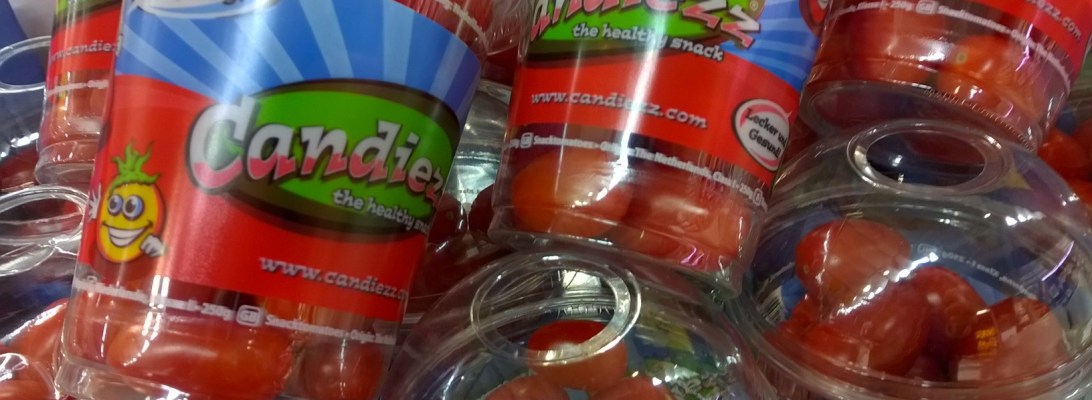
Merkityksellinen sisältö ja sen tärkeyden painottaminen medialle sopivalla tavalla innostavasti kuulostaa mediakonsultoinnin peruskauralta, juuri sellaiselta jolla ei ole tarkoitus olla kovin suurta sisällöllistä merkitystä, mikä on tietysti ristiriitaista eli monesti raapaistaan sisällön pintaa, koska pinta on jostakin syystä riittävä tuloksen aikaansaamiseksi. Siis tulos on merkitys joka on tehtävä. Siinä onkin nykyisen sisällöntuotannon ongelmakohta eli ohut sisältö, ohut tarkoitus, tarkoitus jonka ei ole tarkoitus olla monimuotoisen sisältörikasta vaan rikkaus on pinnassa, tuloksen tekemisen haaveessa, kuinka asiat esitetään ja saadaan aikaiseksi. Kuinka esitämme asiamme on itsessään merkityksellinen tässä ympäristössä ja tässä päivässä asia joka on tärkeä on ulkokuori ja näennäisyys. Uskomme sitä jonka kuori ja tapa puhua on mittojemme mukaan kunnossa. Hyvä esimerkki on Steve Jobs ja kuinka hänen luomaansa brändiä ihannoidaan, hänen tapaansa esittää apinoidaan. Imitoiminen vaikuttaisi olevan business-maailman tapa toimia, ainakin mitä teknologiayrityksiin tulee. Aina tulee uusi ja uusi, merkitys ja tarkoitus ei muutu, en tiedä tuleeko uutta sisältöä sen enempää vaikka tavaravuori kasvaa. Mikä kenellekin on merkityksellistä onkin kiinnostavaa, sisältöä jonka voi omistaa, jonka takana voi seistä ja jonka haluaa jakaa, voidaan kysyä. Onko oman itsen ulkopuolella merkityksellistä elämää. Miten merkityksellistä sitä jotakin jota etsimme lähtisi purkamaan koska merkitys, merkityksellisyys on eräänlainen itsestäänselvyys jota oletamme maailmassa olevan ja elämän olevan merkityksellinen itsenään. Tämä päivä on merkityksellinen ilman suurta showta, ilman että postaan siitä kuvan. Kysymyksen voi asettaa niin että kuka luo merkityksellisyyden, jonka usea voi kokea tärkeäksi ja miksi merkityksellinen on saanut merkityksensä usealle? Se jonka moni nykyään kokee merkitykselliseksi on jakaminen ja verkostoituminen. Millä tavalla asiat joita jaamme ovat tärkeitä ja kenelle merkityksen aura avautuu saati verkostot. Muovirasia on merkityksellinen ja ajaa asiansa näppäränä astiana jossa on kansi ja jonka voi taas laittaa muovipussiin ja sitä kautta roskiin. Muovin suojaava ja läpinäkyvä ominaisuus nähtävästi viehättää nykymarkkinoijia ja myyjiä, kuten myös ostajia. Ostamme muodon, olemuksen, jatkeen kädellemme ja persoonallemme, eräänlaisen sarjakuvatodellisuuden joka on melko edullinen, mutta toisaalta todella hintava. Kuinka moni kyseenalaistaa pakkaukset jotka meidän on välttämättä sisällön saadaksemme hankittava kuin kylkiäisinä. Kun ostan kasviksia paljon ihmettelen muovipakkausten ylivaltaa ja kuinka vähän niistä on puhetta, nimittäin muoviroskan määrästä jonka tuotamme. Pakkausten tarinallisuus ja sisällöntuotanto pakkauksina on todellinen myyntitarina. Outoa on ostaa porkkanoita, sipuleita ja parsakaalia muovipaketeissa aivan kuin muovi olisi lupaus puhtaudesta ja koskemattomuudesta. Hämmentävää ja hajutonta, hymyileviä kirsikkatomaatteja ilman ajatusta mistä ne tulevat, ne vain hymyilevät ja haluavat tulla ostetuiksi. Auringossa kasvaneita.

Koska haemme elämään merkityksellistä sisältöä yhä vain, olemme oiva markkina. Ahne ja mukavuudenhaluinen. Ihmiset jotka eivät ole sisällöstä kiinnostuneita, eivät osta. Sisällön tuottamisen pakkomielle aavistuksen kuulostaa epätoivoiselta ja loppuunkuluneelta, mutta koska jotakin on tehtävä ja oltava, on myytävä, on keksittävä jotakin joka myy, joka viihdyttää ja hauskuuttaa. Viimeisen päälle suunniteltu muovirasia on juuri sellainen aurinkoisine kuvineen, se hauskuuttaa. Kenties kasvikset on myytävä nykyään iloisissa paketeissa kun osa kansasta ilmeisesti karsastaa vihanneksia. Mediamyyjälle ja konsultille tarina on markkinointiväline johon asiakas voi identifioitua ja jonka hän voi ottaa omakseen. Ongelmallista on kun tarinallisuus ja painoarvo jota pitäisi olla, on kevyttä, todella lightia. Siksipä pohdin että mikä on tuo kaivattu sisältö ja millainen sisältö on arvokasta? Kysyisin myös kuinka sisältö arvotetaan eli mitä sisältö antaa ja mitä sillä saavutetaan? Mikä ajatus aikaansaa merkityksellisyyden jolla on oikeasti merkitystä eli pitempi aikainen jatkumo ja tarina jolla on juuret, ydin ja tarkoitus muukin kuin myynnin turvaaminen.

Näin mediasta tulee taas bisnes – Journalismin viisi mahdollisuutta
http://www.marmai.fi/blogit/vierasblogi/nain%20mediasta%20tulee%20taas%20bisnes%20%20journalismin%20viisi%20mahdollisuutta/a2317292?utm_source=emaileri&utm_medium=Email


How do you clean without a vacuum cleaner? Who cleans without a vacuum cleaner? No one. Really? Can you smell the new smell?

I have a cleaning dilemma which is ideological, not that much that I didn’t know what to do. Is it also a gender issue, environmental? Do I dare to ask? Can you imagine living without a vacuum cleaner? It is a similar kind of question as could you live without a car or two. It very often is for many unimaginable. Why is it so unimaginable? Life would get difficult and uneasy if we didn’t keep it together with helping equipment. Our everyday problems are solved and we don’t have to think much about it just. Sigh of relief. One could almost feel like a freak without the basic tools, left without lacking something important which is meant to be with us organically like a friend. Almost, hey. Of course this is a question of how much space one has to do clean and what kind of dirt we are talking about. When it comes to professional cleaning ladies, who clean for living, it is good for their health to have ergonomic light tools, essentially important. Cleaning ladies’ work is hazardous, unappreciated, loathed even. Something you do not easily see, stay interested in unless the job is not done. To pay attention to those people who take care of our spaces is therefore important. They are many and invisible as long as they stay quiet and do their jobs. Cleaning personnel get paid poorly, pay which does not enough include to the fact it is a dangerous job to maintain surfaces. Health risks are there how the work is done and what kind of poisonous cleaning detergents are used, not to mention people looking down on you as you haven’t moved up in the world. Detergents can smell good for a minute. Spraying detergents is the same as breathing them so you can imagine what the shit can do in the long run. As garbage men, cleaning ladies and janitors are doing socially extremely important work, think about it what they could do: stop the whole of society. Can you smell the new smell?
Interesting point here is how we assume, forget, do not think, see the obvious or ignore completely because we don’t have to pay attention. All we have to do is to know the necessity of technology and total superiority of things we own, their unquestionable value to us, that we know they are right for the job they are designed to and we can have them. Tasks and needs which cannot be done otherwise, who would want to anymore. We would soon be asthmatic and living in filth like our ancestors going nowhere. It is the power of advertising, powerful collective suction and consuming mindset to owning, to expertise, re-organizing, planning and performing proper civilized human beings who maintain themselves. Especially herself who has to know how to maintain this perfect image, how to be in it. It is so precise of an image holding on to us tightly. Letting go is overwhelmingly problematic. We have our reasoning which is part of the problem. Effectiveness is all. This reasoning is solving only the surface of things without wanting look inside.
If we lost machines like washing machines and vacuum cleaners it would mean cleaning work renaissance with laundry and household staff. Would it be class society all over again? Nevertheless there would be work if there were people who needed the service and paid for it. It is easy to see how important hygiene is for our everyday lives and how easily we ignore this fact.
What do you know about vacuum cleaners is another question and I bet nothing much. Where do they come from and where do they go? They, our tools, do the job just as well and much better than the old ones. New ones keep on appearing, designed, manufactured and they look amazing matching our interior of chrome and glass which need to be spotless. We are instructed how to plug-in, put on and how to operate. If you are not able to there is something wrong with you no doubt. To get rid of the things when they have lived their lives with us can be a bit tricky if you are willing to put effort and time in to that not so tiny ecological dilemma. We don’t have to know machines we use well, we don’t have to know where the materials come from, how the cost of machines get made and who profit the most. Vacuum cleaners are made super easy to use, everybody can use them, everybody can have them and will have a vacuum cleaner. What other this machine does than suck dirt and dust and what kind of life does a vacuum cleaner as an object represent is the easy comfortable living without dirt without effort. It provides and represents health. Even our apartments have closets for the thing with a long tube and heavy body. It is an essential tool cleaning your car, sofa, carpets quickly without too many extra movements and tricks.
Why I talk about vacuum cleaner is that I don’t own one and I happened to ask the cleaning lady who works our building could I borrow the one she uses. (I got a face) Nobody asks such questions because everybody has their own. So I think it is a very interesting cultural question of how we consume, how we maintain our standard of living and take care of our property, homes and which items belong to a modern household. I am in many ways a minority, by far.
Can you imagine people who live without vacuum cleaners, what they are like? At what point imagining life without those essential machines in our lives has become almost impossible?
To get stuck with ideas of how modern life is arranged and should be lived is where the closed society is born. Not that societies were not closed before, but there is a large problem waiting to be solved about how we evolve or do not and in some ways it is not new and some way it is terrible isolation which is almost impossible to change. What kind of society is closed and how do we open it or better yet encourage people to open up society as a culture and as a structure?
Yes it is a bit perverse question, psychological, and you can begin to imagine all kinds of alternatives, horrors, To think what do I mean with cleaning can too be very different than idea of cleaning to a super hygienist. Why do I even ask is because we assume too much. We have vacuum cleaners and they work perfectly fine, mostly. A machine almost all households have like a self-evident equipment so much so that to think cleaning without this noisy part of home would be unthinkably. To me it strongly seems people as modern population have come to a point where we do not see the opportunities there are. We like to be stuck and like our comfort.
http://home.howstuffworks.com/vacuum-cleaner.htm ”2. As the fan blades turn, they force air forward, toward the exhaust port(check out How Airplanes Work to find out what causes this).”
 

Jacqueline Rose on Zionism, Freud, Sylvia Plath and more with Justin Clemens.

P.S.

Hillary Clinton’s Empowerment

Hillary Clinton isn’t a champion of women’s rights. She’s the embodiment of corporate feminism.
”Clinton recounts in her 2003 book Living History that Walmart CEO Sam Walton “taught me a great deal about corporate integrity and success”

Vihasta

Tuntea viha, nähdä viha, kokea viha ja toimia tai pelätä vihan aiheuttamia seurauksia ja olla tekemättä mitään. Sen tunteen joka  synnyttää pelkoa, joka on ollut olemassa kauan ja kasvaa hallitsemattomasti ellemme puolustaudu. Se ei katoa monesta eri syystä, koska alistaminen ei katoa, koska ei ole odotettavissa muutosta parempaa, ei ole parannusta, halua parantua ja on pahuutta. Ne jotka eivät edes tiedä vihaavansa, saavat aikaan tuhoa ympärillään alistamalla uskomaan omaan kaikkivoipaiseen hyvyyteensä, mutta me emme sitä tunnusta koska meidän vihallemme on oikeutus ja se on hyvyys. On oikein vihata pahuutta, yksiselitteisesti, suoraviivaisesti, haluamatta nähdä koko kuvaa. Alistaminen perustellaan vahvemman oikeudeksi. Olemme silti peloissamme, että nuo alistetut pahat radikalisoituvat yhä vaan, rikkovat vahvojen oikeuden jakaa oikeutta, rikkovat vallanpitäjien rakentaman valtarakenteen, joka on turvamme, johon luotamme, vahvempien hyvien (tyyppien) oikeuden rakentaa maailma tahtonsa mukaan keneltään kyselemättä. Vahvojen yhteiskunta, joka suojelee hyvyyttä joka on itsestäänselvyys ja tietynlainen. Yhteiskunta joka määrittelee hyvyyden kaltaisekseen kapeaksi näköalaksi, hymyksi ja nauruksi, hassuksi voiton maksimoinniksi ja taloudellisen kasvun ainoaksi päämääräksi, menestykseksi, positiivisuudeksi, joka on valeasu koska emme kestä totuutta. Että uskoisimme parempaan joka on ostettavissa, saavutettavissa.

Meidän on alistettava ja alistuttava, jotta voimme nousta joka aamu toteuttamaan yhteiskunnallista palvelusta ja jota voisi todisteiden valossa ajatella valheeksi. Edelleen maailma pyörii niin, valheella, valehtelemalla. Vahvemman oikeudella, jonka vahvempi on ottanut itselleen. Aseteollisuus tahkoaa taloudellista voitto josta ei paljon julkisuudessa puhuta, mutta on tiedossa. Katsokaa tuota aseiden määrää… Aseteollisuus on taustapiru jonka olemassaoloa kukaan ei aktiivisesti tahdo eikä kykene asettamaan kyseenalaiseksi, koska meidän on voitava puolustaa itseämme kättäpitemmällä, sillä joka myös hyökkääjällä on voidaksemme vastatta samalla mitalla tai mieluiten tuhoisammin. Joudumme puolustamaan itseämme selviytyäksemme, piiloutumaan ettemme joutuisi hyökkäyksen kohteeksi. Millaisessa puolustusasemassa joudumme olemaan ja miksi mieluiten alistumme. Alistuminen on puolustautumista olemalla vastaamatta koettuun sortoon. Pelkäämällä annamme alistajille vallan ja selkeästi olemme kauhuissamme.

Mitä pelkäämme eniten? Että herätämme vihaa joka saa järjettömät mittasuhteet. Viha toisinaan ei perustu totuudelle vaan mielikuville ja faabeleille, jotka muodostavat vihattavan ja halveksittavan kohteen jonka kautta voimme kasvaa vihassamme suuriksi ja oikeamielisiksi. Mielenkiintoista on kuinka pelkojamme käytetään meitä vastaan, kuinka olemme pelkojemme vallassa. Siksi voi tuntua turvalliselta vihata. Pelkäämme menettämistä ja meillä on paljon menetettävää: maineen, omaisuuden, mahdollisuuksien eli modernin elämän onnellisuuden avainten edellytykset. Emme osaa hallita onnea joka koostuu modernista omistamisen kultista ja tuon elämäntavan hyväksymisestä niin, että muunlainen elämä näyttäytyy halveksittavana ja huonona elämänä. Pelkojamme ruokitaan uhkakuvilla jotka tulevat ja nappaavat ne hyvät, meidät. Meidät viattomat, mahdollisuutemme valuvat hiekkaan ja jäämme tyhjän päälle. Uhkat joille ei voi mitään ellei meillä ole tulivoimaa vastata kasvavaan uhkaan, radikalismiin ja terrorismiin, joka on yhtä kuin tuo pelottava viha, jota meissä ei ole muuten kuin tarpeen vaatiessa. Omaa vihaamme emme osaa käsitellä, hyväksyä saati todentaa, koska viha on jotakin niin pahaa ettei sitä voi meissä olla. Vihaaminen ja sen tunnustaminen vie mahdollisuudet suosioon. Se on meistä pois, koska osaamme elää hyvin ja hallita elämää. Siispä vihaamme salaa ja ryhmän turvin kun se vain on mahdollista.

Viha, joka sanana on niin voimakas, että pelkäämme jo tuota sanaa ja sen voimaa. Minä vihaan sinua on perheissä joissa on teini-ikäisiä lapsi melko normaali tunteenpurkaus, joka tulee hyväksyä sellaisenaan tunteenpurkauksena ja normaalina. Mutta se ettemme uskalla sanoa vihaavamme aikuisina, koska voimme joutua ulkopuolisiksi epäillyiksi, syyllisiksi laittomaan tunteeseen johon meillä ei ole varaa ja koska vihaaminen ei ole kypsän ihmisen toimintaa. Vihaaminen on harkitsematonta, lapsellista ja saatanallista. Se on purkaus ja hallitsematon syöpämäinen tunne, jonka valtaan helposti joutuu jos ei osaa kohdata vastoinkäymisiä. Kuinka käsitellä vihaa joka kasaantuu, jota ei ole käsitelty, puhuttu läpi, jos ei osaa nähdä ongelmia elämään kuuluvina osina: Miksi tunnen näin, mikä tunteeni aiheuttaa ja onko tunteeni väärä. Miksi minä? Vihan kieltäminen ja käsittelemättömyys on osa ongelmaa, iso osa. Viha josta ei saa puhua, mutta joka on silminnähtävästi olemassa on iso ongelma. Modernissa yhteiskunnassa vihaajat ryhmitellään lokeroihinsa niiksi, jotka eivät jostakin syystä saa ääntään kuuluviin. Osattomuus, osattomuuden tunne, pärjäämisen pakko ja hyväksynnän puute ilmenevät ilkeytenä, rikoksina ja uhkina sisäsiisteydelle.

Mitä tapahtuu kun viha kääntyy itseä kohti? Kun itse ei riitä, kun mikään ei riitä.

Ihmisyyden kriisi, moderniuden kriisi, rakentamisen kriisi, kokemisen kriisi, olemisen kriisi

Kriisi, yhtäjaksoinen epätasapainoinen putoamisen kokemus. Painotus kokemuksessa, tapahtumassa, syissä ja henkilökohtaisessa. Heilahdus, ponnistus, liike, joka on välttämättömyys muutoksen syntymiseksi. Tällä hetkellä koemme, että ihmiskunnalla on ja on ollut meneillään monin eri tavoin kauan aikaa massiivinen kriisi. Epätoivo ja toivottomuus ovat kriisin olennaisia tuntemuksia. Kriisin muoto ja tapa vaihtelevat väkivaltaisesta mullistuksesta pieniin liikahduksiin. Kriisistä puhuminen ja kriisin kokeminen myös. Kriisi sanana on hädän kuvaus, hetkellinen ja epämiellyttävä mielikuva. Kriisin perustana on henkilökohtainen kokemus ja kuinka kokemansa välittää muille. Kuinka monta ihmista kokee saman, mitä he voivat tehdä poistaakseen kriisin kokemuksen, muuttaakseen tilanteen.

Kriisimme nyt, jolle ei sen pohjamutaa myöten kyetä tekemään kovinkaan paljon, koska kun paikkaamme yhtä reikää uusi reikä ammottaa toisella puolella. Kriisi sanana ja tapahtumana on piirretty monisanaisesti uutisiin ja meihin. Se on mikä tahansa tauti, epidemia, massan epätoiminto, sota, inflaatio, nälkä, vajaus, notkahdus, heikkous, pieni ja suuri. Se on jokaisen henkilökohtainen. Se on kaukainen. Kun ajatellaan, että kriisi on elämän perusaines niin voimme pohtia miksi kriisi on pelkästään negatiivinen ja pelottava vaihe, josta on pyrittävä poispäin ja yli? Epämukavuus, sen sietämättömyys, kylmyys, jano, kipu, menetys, luopuminen, täydellisyyden saavuttamattomuus ja ihmisen vaillinaisuus fyysisesti ja henkisesti luovat jatkuvaa tarvetta kehitykselle, kasvulle ja saavuttamiselle. Tuo pyrkiminen jostakin johonkin on itsessään kriisi, koska se on halua muutokseen. Muutos, pieni tai raju on kriisi, muuttumattomuutta pidetään hyvänä. Vastustus ja epätoivo nousevat kun tavanomainen ja tasainen kokee väistämättömän muutoksen. Kun jonkinlainen hyvä menettää jotakin, katoaa ja tilalle tulee jotakin uutta. Kyse on kuinka asennoitua muutokseen joka on jatkuva ja kiihtyvä. Kuinka muuttua itse, kuinka paljon muutosta ja kipua sietää.

Kokonaisvaltainen kokemus kriisistä on etteivät elämän kaikki osaset ole ihmisen hallussa, kuten ei mikään ole ihmisen hallussa lopulta. Kriisi käsitteenä ja tapahtumana on yhteiskunnassa, joka perustuu hallinnalle, katastrofi. Kriisi, konflikti, ristiriita, epäsopusointu, epätasapaino, epätietoisuus ovat asioita joita meidän on yhä vaikeampi sietää. On vaikea verrata ihmisten kriisejä nyt ja sata vuotta sitten. Ne eivät ole vertailukelpoisia, koska elämämme ovat täysin erilaisia. Ovatko tarpeemme, tietomme, taitomme ja halumme muuttuneet radikaalisti ja olemmeko mukavuudenhaluisempia? Meillä on enemmän oikeuksia, tiedämme mitä meillä täytyy olla. Perustarpeet eivät muutu, meillä on nyt enemmän tarpeita, joita emme voi täyttää ja josta seuraa kriisi.