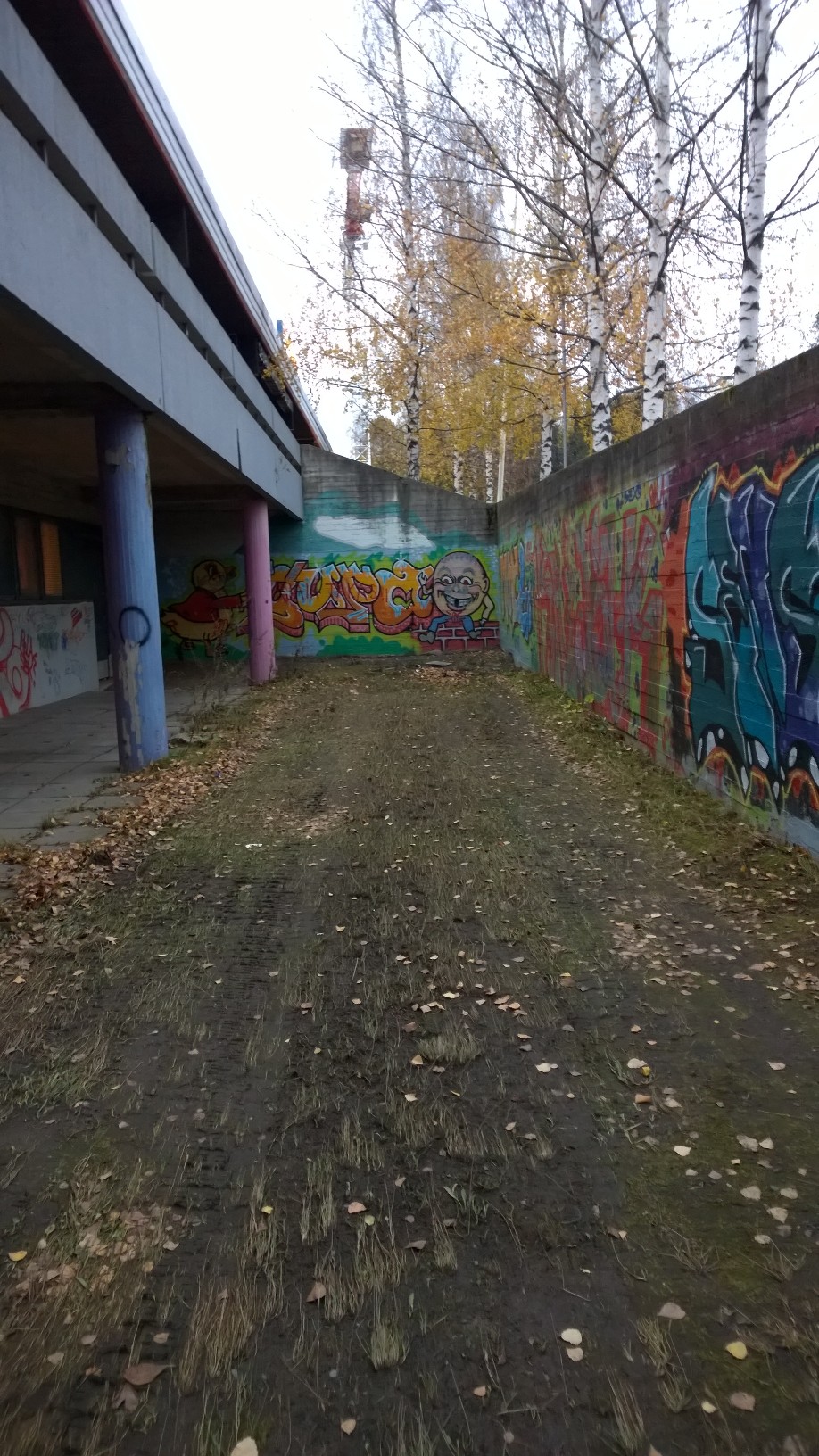
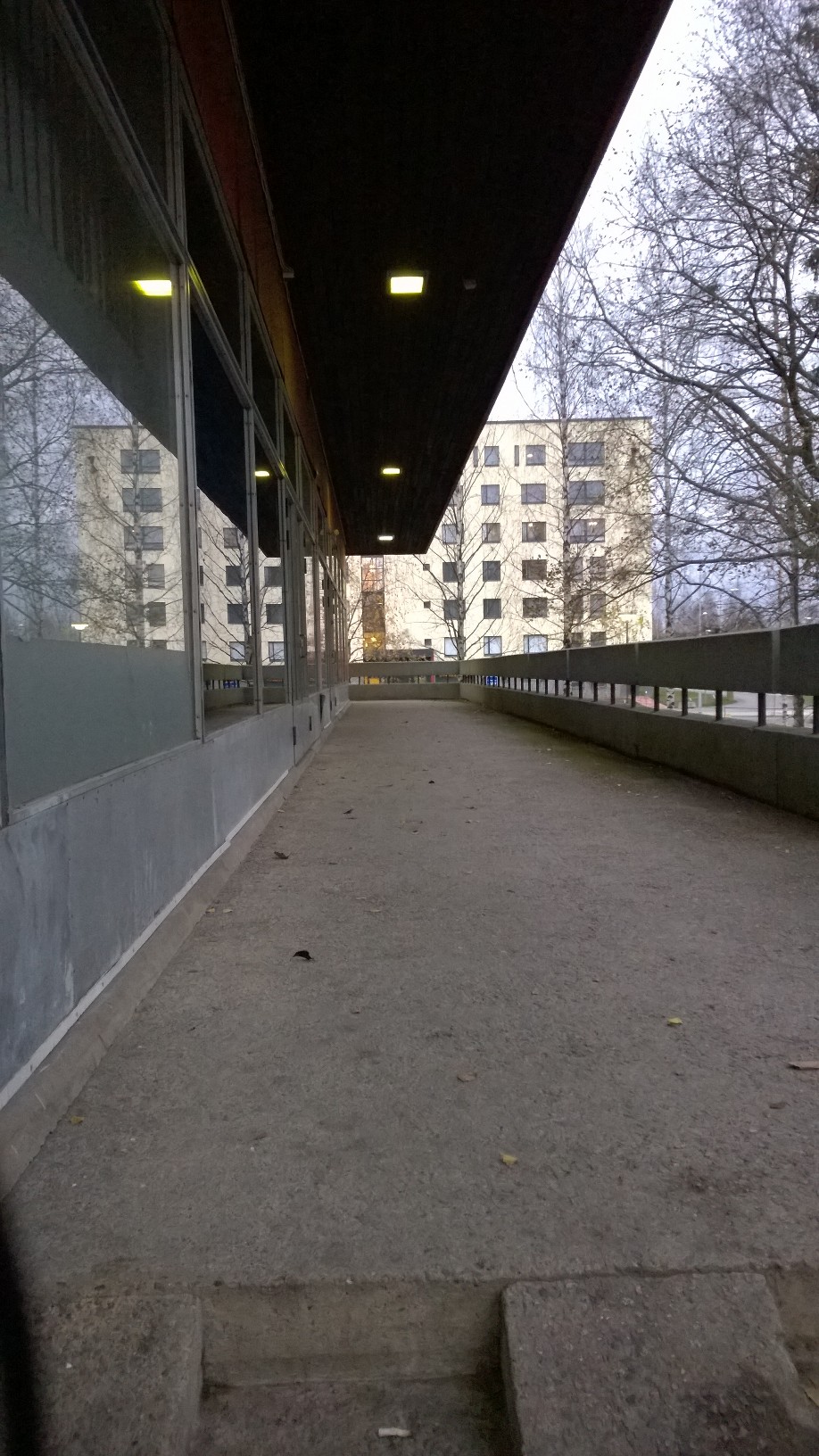
Ihmisyyden kriisi, moderniuden kriisi, rakentamisen kriisi, kokemisen kriisi, olemisen kriisi

Kriisi, yhtäjaksoinen epätasapainoinen putoamisen kokemus. Painotus kokemuksessa, tapahtumassa, syissä ja henkilökohtaisessa. Heilahdus, ponnistus, liike, joka on välttämättömyys muutoksen syntymiseksi. Tällä hetkellä koemme, että ihmiskunnalla on ja on ollut meneillään monin eri tavoin kauan aikaa massiivinen kriisi. Epätoivo ja toivottomuus ovat kriisin olennaisia tuntemuksia. Kriisin muoto ja tapa vaihtelevat väkivaltaisesta mullistuksesta pieniin liikahduksiin. Kriisistä puhuminen ja kriisin kokeminen myös. Kriisi sanana on hädän kuvaus, hetkellinen ja epämiellyttävä mielikuva. Kriisin perustana on henkilökohtainen kokemus ja kuinka kokemansa välittää muille. Kuinka monta ihmista kokee saman, mitä he voivat tehdä poistaakseen kriisin kokemuksen, muuttaakseen tilanteen.

Kriisimme nyt, jolle ei sen pohjamutaa myöten kyetä tekemään kovinkaan paljon, koska kun paikkaamme yhtä reikää uusi reikä ammottaa toisella puolella. Kriisi sanana ja tapahtumana on piirretty monisanaisesti uutisiin ja meihin. Se on mikä tahansa tauti, epidemia, massan epätoiminto, sota, inflaatio, nälkä, vajaus, notkahdus, heikkous, pieni ja suuri. Se on jokaisen henkilökohtainen. Se on kaukainen. Kun ajatellaan, että kriisi on elämän perusaines niin voimme pohtia miksi kriisi on pelkästään negatiivinen ja pelottava vaihe, josta on pyrittävä poispäin ja yli? Epämukavuus, sen sietämättömyys, kylmyys, jano, kipu, menetys, luopuminen, täydellisyyden saavuttamattomuus ja ihmisen vaillinaisuus fyysisesti ja henkisesti luovat jatkuvaa tarvetta kehitykselle, kasvulle ja saavuttamiselle. Tuo pyrkiminen jostakin johonkin on itsessään kriisi, koska se on halua muutokseen. Muutos, pieni tai raju on kriisi, muuttumattomuutta pidetään hyvänä. Vastustus ja epätoivo nousevat kun tavanomainen ja tasainen kokee väistämättömän muutoksen. Kun jonkinlainen hyvä menettää jotakin, katoaa ja tilalle tulee jotakin uutta. Kyse on kuinka asennoitua muutokseen joka on jatkuva ja kiihtyvä. Kuinka muuttua itse, kuinka paljon muutosta ja kipua sietää.

Kokonaisvaltainen kokemus kriisistä on etteivät elämän kaikki osaset ole ihmisen hallussa, kuten ei mikään ole ihmisen hallussa lopulta. Kriisi käsitteenä ja tapahtumana on yhteiskunnassa, joka perustuu hallinnalle, katastrofi. Kriisi, konflikti, ristiriita, epäsopusointu, epätasapaino, epätietoisuus ovat asioita joita meidän on yhä vaikeampi sietää. On vaikea verrata ihmisten kriisejä nyt ja sata vuotta sitten. Ne eivät ole vertailukelpoisia, koska elämämme ovat täysin erilaisia. Ovatko tarpeemme, tietomme, taitomme ja halumme muuttuneet radikaalisti ja olemmeko mukavuudenhaluisempia? Meillä on enemmän oikeuksia, tiedämme mitä meillä täytyy olla. Perustarpeet eivät muutu, meillä on nyt enemmän tarpeita, joita emme voi täyttää ja josta seuraa kriisi.

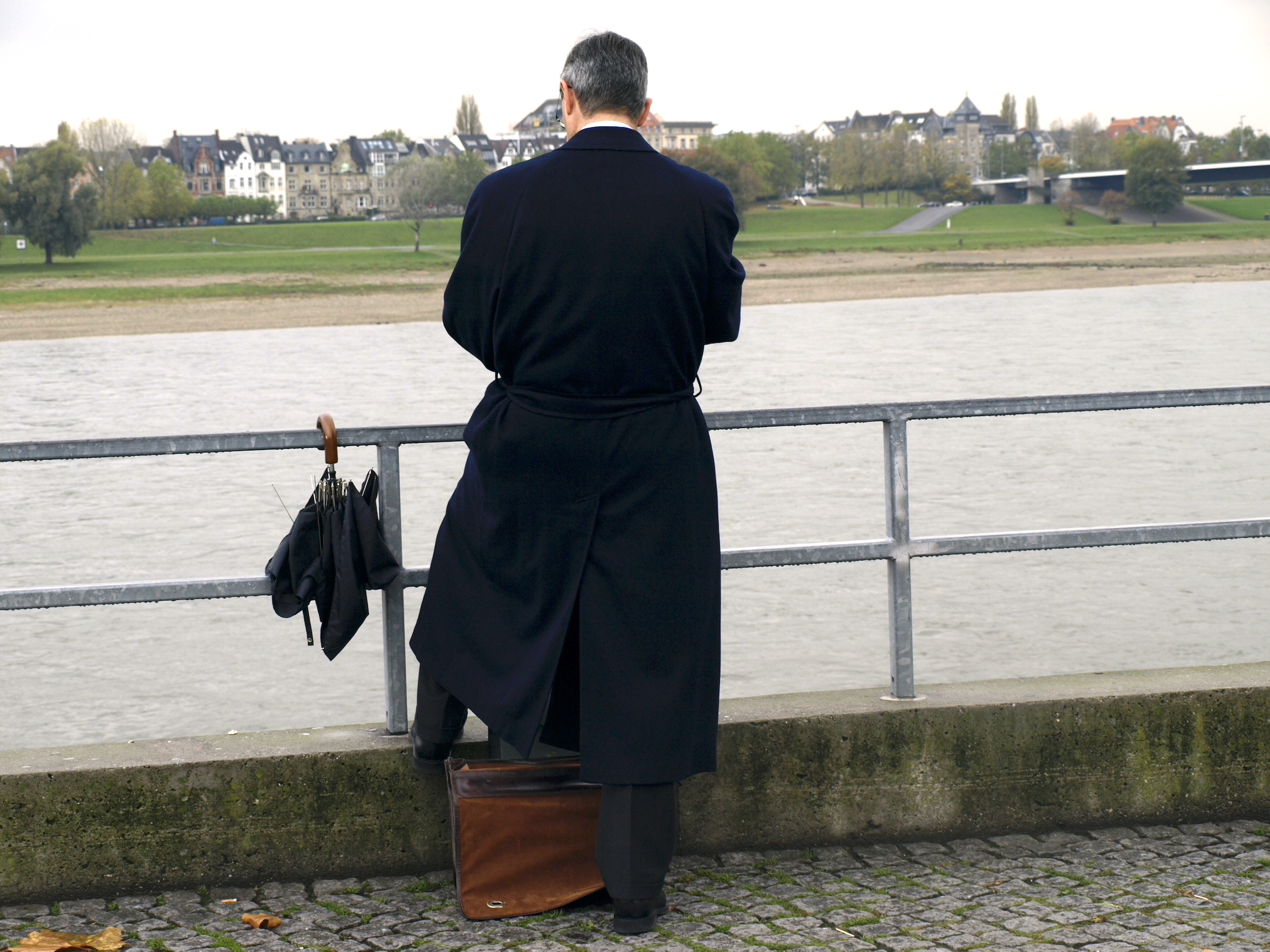
Making a character, making somebody Hullu

Strength of Poetry now

It is as if poets have vanished. Vanished into an old world making way to ’progress’ and ’development’. In need of being an absolute professional poetry is in distress. In desperate need of stating total professionalism a poet is something incomprehensible (how do you make a living. Do you get paid for what you do?), because anything else than professional money-making is ridiculous. Same goes for fine artist of course, but it is obviously more rare to be a poet. It takes something else. To say I am a poet and publish my work online is a hobbyist way unless one makes money. I personally resent the idea of professionalism since my professionalism has been under suspicion always, whatever I did, whatever position I had. It is not enough, never enough. At worst it is nothing, my art is not art and there is always a consultant telling how to make things so that I would be convincing to those who need to be convinced. To be an artist, a female standing alone and do art, should be finding a role of a saleswoman, advertiser, entertainer and please. Poetry to me represents the opposite of that role. I don’t have to please in any way. That is what I am set to do. I enjoy the marginal outsider position for that reason. That is freedom. Professionalism as such is not something of a goal at all. That itself is a flawed way of seeing making art.

Strength of poetry now is to break the need for absolute professionalism, to disturb a search for stability and getting entertainment to keep politics, activism, feelings and other distresses aside and away, to absolutely jeopardize contemporary consciousness and threat the norms. To question the mindset of absolute money-making machinery, ideology of winning, the exceptional of it, smugness of it. To bring anarchy into writing in the net, to making art altogether. To question the ways of making and why make.

Even within the fine arts it is not self-evident there is interest or knowledge over poetry. It is somehow below the image, below the hype and contemporary ’self-evident’ excellence of educated and notified skill and talent.
http://www.cprw.com/stalking-the-typical-poem
When I tell people I teach and – God help me – even write poetry, they often say, “I wish you could explain modern poetry to me. I just don’t understand most of it.”

How do the oppressed take justice?

Is justice there to be taken? If justice is not given voluntarily, there is injustice, how does one find justice? Somebody holds it, somebody is there to judge. Are those sensible sentences, words in right order, what comes to justice? Somebody has it. It is a possession granted, a right to have and deliver. Laws made by people to govern a nation and its citizens. An interesting case is to think what is justice and who has it. What kind of justice we make, use and rule over. Questions of right and wrong, how well do we know what those two, right and wrong, are and how they differ.

Why do we accept an unjust situation and how long do we accept it? How long can we escape taking responsibility, confronting malicious rule and power elite which seems to be corrupt, when will people sacrifice their comfort for public good? To better lives of many we need to take over something that is not at the moment in our hands. Which things are those one might ask? One can be very unaware of what is going on.

Who is oppressing you? Are you oppressed? What? Why do you ask me,, or am I just asking myself. Those who are most severely oppressed do NOT read blogs, so probably my question does not reach those who experience slavery, hardships by dictators, military and authoritarian governments. Is capitalism an oppressor or is it just a tool to oppress? Could it work better than it does now or is it an ongoing disaster? We want to attack things that oppress us when we notice that we are clearly under ruthless rule of some power. We ARE under ruthless power, how do we know that in our every day consciously and when will it, ruthlessness, really begin to show in a way that the consuming mass would actually wake up and start taking measures to make change.
Questioning continues: how to have power, what kind of power do I have, what is power that can be taken from one person or from an elite. What kind of power is releasing and humanly kind?

Golden Puffs, golden handshakes and groups of people that protect their members as the group is seen as exceptional and cannot be criticized nor that it could be entered.

That there are people who violently protect interests of theirs, power of theirs and image of theirs. To keep a state of things unchanged and yet try to change the world is a bizarre way to bang one’s head to a wall, liking blindness, contradictions ignored and denying hypocrisy of it all. To make it into a group that has power and gain a position within that group, have respect and admiration is the name of the game. If someone wants to rock that boat, that someone is belittled, isolated, mentally mugged, robbed and spat at.

There are many groups that have dynamics like this, that work and exist because of special gifts, because of special talents. They think of themselves that they are more exceptional and hugely talented as their talent is acknowledged within and by experts. Sales and wages telling how talented they are. They choose people from their group, their tribe to fill positions in order to make an atmosphere of nothing actually changes. They don’t like people who contradict them, people who do things differently and who like to change these corrupted ways that impact the whole society. They get easily provoked, because they are definitely certain of their exceptional and rare quality. They are afraid to lose position of theirs. Which fear makes one a predator. Someone who has something to lose.

Bullying society favors groups like this as it is itself an exclusive group. Isolation is an important tool in making inequality and special groups of buddies to prevail. What kind of social change happens in this kind of world is exactly what we see today. Kind speeches are not going to change that.

Experiment number 4

Experiment number 4

instant bench design with silver cardboard

Moral disaster

The unbelievably horrible state of mankind is what we are looking at daily. How to comprehend it without sinking into despair and hate, into a world without hope? What other to do than to look at it, this destruction of man straight in the eyes? The eyes of the destroyer. What else, other than to be appalled by what people are capable of? Why are some people capable of mass murder in a blink of an eye, just like that with no remorse? How are people in a world that puts few up and a mass in poverty? Is it just life?
Injustices happening all over all the time do not seem to lessen nor becoming less violent, quite on the contrary. Value of human life is a concept like sand, it itches, gets in your shoes, makes dunes and deserts. It is there, but what can you do with it? How do you understand it? That something, that someone whom you do not know, but who irritatingly exists. What do you do to that existence, that valuable and yet to that nothing that seems to multiply endlessly? That is what millions and millions of people are to authorities, to those who have power, who have money, arms, forces and contacts; slaves without any human rights, who can be mutilated, abandoned, killed and forgotten.
Part of the world today is such that people are executed in public and bodies left dead and displayed for people to see for days. That part of the world has a different meaning for life, why we are here and what is the meaning of human life. A life where each of us has a meaning to serve god. This is what I am told and evidence of this is clear. But to me only god visible is human. People serve people with so-called mandate from god. What is happening is very godless. People are evaluating what human life is worth and who serves who. People are brainwashed to believe god has something to do with mass slaughtering and that there are unfaithful infidels who deserve to die. This kind of insanity has no end. Absolute belief that knows no variety, no mercy, no other than redemption by death is a dead-end itself.


Nonverbal is a very loud form of communication.

It is how we dress, how we use our faces, our hands, ways of carrying ourselves, looking, how we look and what we look at, pay attention to in people. A living being is a nonverbal statement of present moment and history of that person beginning from sex to ethnic background. A statement in time, in now and what has been, what has happened to that person, what he/she might be about. Women are masters of nonverbal communication. Thinking about how well we acknowledge it that we are doing constant observing and manipulating and are observed and manipulated, that our every gesture is a message and how much we pay attention to signals we pass forward is a matter of having been born into a culture that pays a lot of attention to appearance. We trust the first impression. What our friends say about that person. Strange thing is which I have noticed is that people think other people do not register how they are watched and observed. We like to belittle the other the one who is being observed. What kind of information is collected of us by looking is the foundation of our culture. It is a very sophisticated and evolved system of survival and bonding to notice little details, accept or dislike. We depend much on whether we dislike or not. I’m not sure do we consciously think why we dislike and is it justified.

Even the smallest things one might think do not matter make a difference. It is the banality, the animal, the hunter in us that pays attention to what the opponent might be doing and what does that other want and what does it mean. It is a brilliant form of learning by observing which makes our eyes an important tool. Action and reaction pattern in which those who think are very original and clever are actually normal mainstream group of people repeating the same signs, patterns, ways of reacting and doing which themselves make it easy to know how people think and how do they react to certain things. To know how people pay attention and what are the things get their attention. We like to think we are very special and unique. In some ways we are of course which makes our clinging to a group approval odd. Interpretations are not difficult to accomplish knowing how much we want acceptance. It is so simple that is actually clever. It is easy to know that this is not the case of exact science but somehow results are striking, very. Knowing how a similar kind of group of people think, how they keep their group dynamics and how the group keeps intact in its originality of course.

This is the very issue in cases of assumptions, thinking you know and passing on wrong information which is conducted due to any type of nonverbal communication. People communicate all the time, but to be absolutely sure what did she mean it is good to talk and ask. That is how people get information that is valid (hopefully) and not hanging in the air. Get the record straight.

How do we intellectualize the nonverbal and what is the intellect there in the first place? It is how specific analysis we are able to make. What do we make of it.

Scientific research on nonverbal communication and behavior began with the 1872 publication of Charles Darwin’s The Expression of the Emotions in Man and Animals. Since that time, there has been an abundance of research on the types, effects and expressions of unspoken communication and behavior. ”
 
This is diamonds. Enter Your Birth Date and Discover Your Past Life. First Reading Free!

OM.