What is there in a water bottle tossed on the side of a road? What kind of story does it hold? Where to begin, when approaching such seemingly insignificant object, and what lies in the insignificance? A plain water bottle is an object, which requires to be studied more closely as a unique culturally bound phenomenon, a kind of necessity and luxury item. Bottle of water, and other containers of beverages we carry with us, are products of commercial commodity culture. Objects, meaningful in more ways than just as helpful containers of drinkable liquid. Plastic bottle is a design object, which is meant to be used once and disposed. Still, in order to be sold, a bottle has to be aesthetically desirable package of everyday with desirable contents and message. It is at best, pleasure for the eyes and a way of presenting one’s way of life. Within the field of industrial package design there are trends and phases, fashions circulating and directing what we drink, how we drink, where to drink and why. Culture, which is also directed by nutritionists and other experts in media.
We like to think it is us, who have the control. In some ways we do. We are the ones using money and choosing. We are taught to think we deserve to be spoiled and are worthy of little daily treats. To a certain point, we use power and control over the market, which in the end is us. On the other hand, we have no control whatsoever, especially what comes to wanting to be seen, spoiled, fulfilling desires and being worthy of sweet luxuries. We like to state our worthiness with expensive goods and services. In that sense, our commercial culture is very immature and predictable. We follow our primal emotions. Holding drinks and packages is similar to holding a phone, which act and item represent accessibility, capability, visibility, fun, enjoyment, having wealth, illusion of business and continuity.
Interesting part is, what comes to making visual world for consumers. How tiny particles as bottles and packages largely make the luring culture. Products of unsustainable, emotionally oriented culture, visible surfaces, which are used for mass consumption purposes to be delivered, placed to be seen, offered to be wanted and sold in never-ending speed. It is our take-away culture to carry food, walk with food and drinks while working, doing and making; meaning having an active life. Do we drink water to stay slim, have a good skin, or just because we are thirsty? Plastic bottles can be recycled, but still they are waste and made of nonrenewable material. Such small, ’practical’ choices, which pile up may be easy, and we do need to drink fresh water daily. Still the cost is quite dear, when one measures up the material discarded in the long run. According to survey by Food and Water Watch in the US in 2009, consumers purchased 8.45 billion gallons of bottled water [1.]. Luckily for the environment, figures declined from 2008 2,5 percent due to recession, as people cut down unnecessary expenses. Something good comes out of having financial low, which also proves our constant need for consuming more than is necessary when it is financially possible. As it goes, the small percentage of world’s population uses the most resources environmentally and economically.
1.https://www.foodandwaterwatch.org/water/bottled/bottled-water-bad-for-people-and-the-environment/ 8.4.2014 Food and Water Watch is a nonprofit organization, which advocates for common sense policies that will result in healthy, safe food and access to safe affordable drinking water.

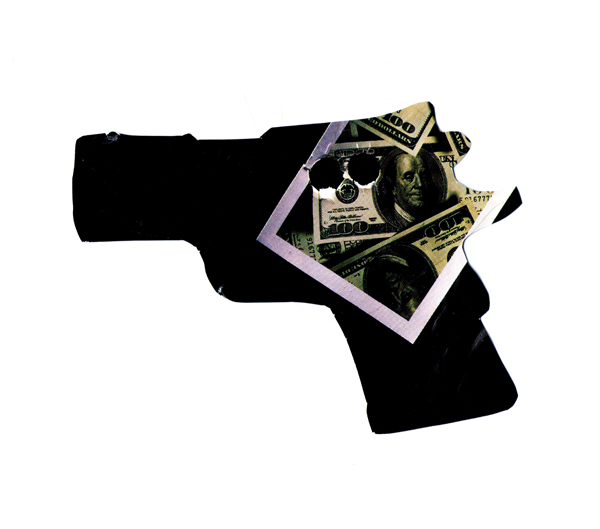


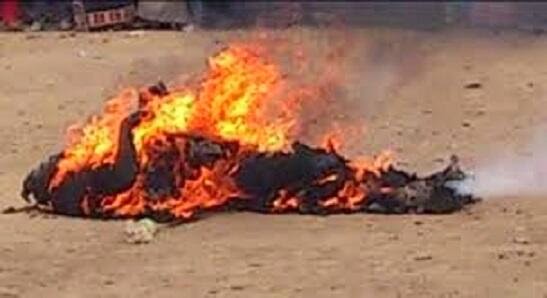
 Majakollektiivi Timanttimetsä